- Home/
- Buy Lasix Online in the United Kingdom – Fast UK Delivery
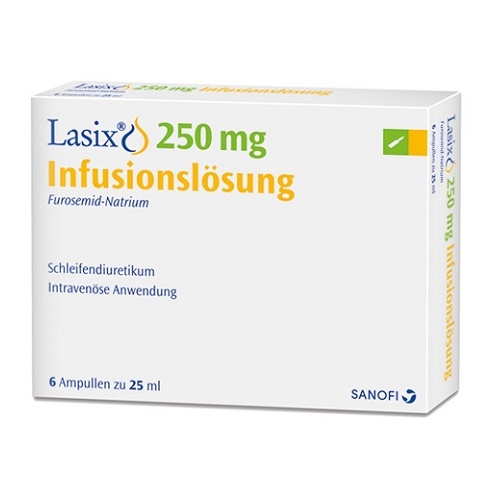
Lasix (Furosemide) in the United Kingdom: Complete Guide to Safe Use, Prescription, and Effective Management of Edema
Can I buy Lasix in the United Kingdom without a prescription?
No, Lasix (furosemide) is a prescription-only medicine in the United Kingdom. It is illegal and unsafe to obtain Lasix without a valid prescription issued by a qualified healthcare provider. Buying Lasix online or in pharmacy in the UK always requires a prescription.
Quick Summary: Key Facts About Lasix
| Parameter | Details (UK, 2026) |
|---|---|
| Active ingredient | Furosemide |
| Main use | Oedema (fluid retention) due to heart, liver, or kidney disease; hypertension |
| Onset of effect | 30–60 minutes (oral), 5 minutes (IV) |
| Prescription status | Prescription-only (POM) in UK |
| Common side effects | Increased urination, low potassium, dehydration |
| Availability | UK pharmacies (with prescription), NHS |
| Typical price | £2–£6 for 28 tablets (20mg), generic available |
Lasix is widely used in the United Kingdom to manage oedema and some forms of high blood pressure. It is available in generic and branded forms, covered by the NHS in appropriate cases.
How does Lasix work in the body?
Biochemical Mechanism: Lasix (furosemide) is a loop diuretic that acts on the Na⁺-K⁺-2Cl⁻ co-transporter in the thick ascending limb of the loop of Henle in the kidney. By inhibiting this transporter, it prevents the reabsorption of sodium and chloride, leading to increased excretion of water, sodium, chloride, potassium, calcium, and magnesium.
- This results in a powerful diuretic effect—increased urine production within 30–60 minutes after oral dosing.
- It reduces fluid build-up in the body, helping to relieve symptoms such as swelling (oedema) in ankles, feet, lungs, and abdomen.
- Lasix also lowers blood pressure by reducing plasma volume.
Simplified Metaphor: If your kidneys are like a sieve, Lasix “widens the holes” so more water and salts escape, draining away excess fluid quickly. The process works independently of hormones, making Lasix effective even in some people where other diuretics fail.
Pharmacokinetics: Lasix is absorbed in the gastrointestinal tract, reaches peak blood levels within 1–2 hours, is minimally metabolised in the liver, and is excreted mostly unchanged via the kidneys. The half-life is 1–2 hours in healthy adults, but may be prolonged in kidney or liver impairment (EMC).
Expert Commentary from doctor
As a consultant nephrologist, I frequently see patients who expect Lasix to “flush everything out” overnight. One common mistake is not monitoring fluid and salt intake while using Lasix, which can lead to dehydration or electrolyte imbalance. Another issue is self-adjusting the dose; some patients double up if they haven’t urinated enough, putting themselves at risk of kidney injury or low blood pressure. I always stress the importance of following a tailored plan set by your doctor, and having regular blood tests to check kidney function and potassium levels. Remember—more is not always better with Lasix.
What is the correct dosage and usage pattern for Lasix?
Lasix dosing in the United Kingdom is individualised based on the condition being treated, patient weight, age, and renal function. The following is a general guide—always follow your doctor’s instructions:
- Oedema (adults): Initial oral dose usually 20–40mg once daily in the morning. Depending on response, the dose may be increased in increments of 20mg at intervals of at least 6–8 hours.
- Maximum single oral dose: 80mg (rarely up to 120mg under specialist supervision).
- Maintenance dose: Lowest effective dose, often 20–40mg once daily or on alternate days.
- Elderly: Start at the lower end of dosing range; the risk of dehydration and hypotension is higher. Monitor regularly.
- Children: Dose is weight-based. Use only when prescribed by a specialist.
- Kidney impairment: Dose adjustments are essential. High doses may be required in resistant cases, but only under specialist care.
- Hepatic impairment: Dose with caution, monitor for side effects.
Peak effect: 1–2 hours (oral), duration of action 4–6 hours for tablets.
Lasix tablets can be split if scored. Swallow whole with water, preferably in the morning to reduce night-time urination.
Never exceed the maximum daily dose prescribed by your doctor.
How do food, alcohol, and lifestyle affect Lasix?
| Factor | Effect |
|---|---|
| Food | Food may slightly delay absorption but does not significantly reduce effectiveness. High-salt foods can blunt the effect of Lasix. |
| Fatty meals | No clinically significant interaction. |
| Grapefruit juice | No known interaction with furosemide. |
| Alcohol | Combining with alcohol increases the risk of dehydration and low blood pressure; best avoided. |
| Caffeine | May increase urination; monitor hydration status. |
Bottom line: Take Lasix with or without food, but avoid high-salt diets and alcohol while on Lasix. Maintain regular meals and fluid intake as advised by your doctor.
Who should never take Lasix? (Contraindications)
- Absolute (Must Never Use):
-
- Allergy to furosemide or sulfonamides
- Severe hypovolaemia (low blood volume) or dehydration
- Anuria (no urine production)
- Severe low potassium (hypokalaemia) or sodium (hyponatraemia)
- Hepatic coma or pre-coma
- Breastfeeding (passes into breastmilk)
- Relative (Use with Caution and Specialist Input):
-
- Low blood pressure (hypotension)
- Impaired kidney or liver function
- Gout (can worsen symptoms)
- Diabetes (may alter blood sugar control)
- Prostate enlargement or urinary retention
Key interaction warnings: Avoid combining Lasix with aminoglycoside antibiotics, lithium, or digitalis glycosides without specialist advice—these combinations can cause serious side effects or toxicity.
Why? Lasix can cause rapid fluid and electrolyte shifts that are dangerous in the above conditions, potentially leading to kidney failure, arrhythmias, or coma.
What side effects are most common with Lasix?
| Frequency | Side Effect | Notes/Mechanism |
|---|---|---|
| Very common >1 in 10 | Increased urination, thirst | Due to diuretic action |
| Common >1 in 100 | Low potassium or sodium, dizziness, headache, muscle cramps | Electrolyte loss |
| Common | Low blood pressure (hypotension) | Especially if standing up quickly |
| Rare | Hearing loss (ototoxicity) | Mainly at high IV doses or in kidney impairment |
| Rare | Severe allergic reactions | Rash, difficulty breathing—seek urgent help |
| Very rare | Pancreatitis, severe skin reactions | Medical emergency |
If you develop severe dizziness, confusion, hearing changes, skin rash, or stop urinating—seek medical attention immediately.
Guidance: Most side effects resolve after dose adjustment or discontinuation. Always inform your doctor about any new or unusual symptoms.
Common Patient Mistakes Observed by doctor
- Doubling up on missed doses: Many patients believe they must “catch up” if they forget a dose, risking dangerous drops in blood pressure or severe dehydration. Solution: Take the next dose at the usual time—do not double.
- “Water loading” before taking Lasix: Drinking excessive fluids beforehand can blunt the diuretic effect or worsen swelling. Solution: Follow your doctor’s fluid intake recommendations strictly.
- Stopping Lasix suddenly: Abrupt withdrawal, especially after long-term use, may worsen symptoms or trigger acute fluid overload. Solution: Always wean off under medical supervision.
- Self-medicating with over-the-counter potassium: Trying to “balance” potassium loss with supplements can be harmful and lead to dangerous imbalances. Solution: Only use supplements if prescribed.
- Ignoring regular blood tests: Some patients skip monitoring, not realising that silent kidney or electrolyte problems can occur. Solution: Attend all blood test appointments as scheduled.
- Buying Lasix online without prescription: This exposes patients to counterfeit medicines and legal risks. Solution: Always order Lasix from a regulated UK pharmacy with a doctor’s prescription.
How does Lasix compare with alternatives?
Below is a comparison of Lasix with its main diuretic competitors in the United Kingdom:
| Drug | Typical Onset (oral) | Duration | Main Uses | Common Side Effects | Cost per 28 tablets (2026, UK) |
|---|---|---|---|---|---|
| Lasix (Furosemide) | 30–60 min | 4–6 hr | Oedema, hypertension | Electrolyte loss, dehydration | £2–£6 |
| Bumetanide | 30–60 min | 4–6 hr | Oedema, heart failure | Similar to Lasix | £3–£7 |
| Bendroflumethiazide | 2 hr | 12–24 hr | Hypertension, mild oedema | Raised uric acid, electrolyte disturbance | £1–£4 |
| Spironolactone | 2–3 hr | 2–3 days (slow onset) | Oedema, heart failure, ascites | High potassium, gynaecomastia | £2–£5 |
- Lasix is the fastest-acting and most potent for rapid fluid removal. However, it is also the most likely to cause potassium and fluid imbalance if not closely monitored.
- Bumetanide is similar but often used in patients who do not respond to Lasix.
- Bendroflumethiazide and spironolactone are used for milder cases or as part of combination therapy.
In short: Lasix remains first-line for severe oedema but alternatives may be better suited for specific scenarios or for patients at risk of certain side effects.
Questions Frequently Asked to doctor
- Can I drink alcohol while taking Lasix?
- Alcohol should be avoided, as it increases the risk of dehydration and can dangerously lower blood pressure when combined with Lasix.
- What if I miss a dose of Lasix?
- Take the next scheduled dose as normal. Do not double up, as this can cause excessive fluid loss or low blood pressure.
- Is it safe to buy Lasix online in United Kingdom?
- Only if you use a registered UK pharmacy that requires a prescription. Buying Lasix online without a prescription is both illegal and risky.
- How long can I take Lasix for?
- This depends on the underlying condition and your doctor’s advice. Some people require long-term therapy, but regular monitoring is essential to avoid complications.
- Can Lasix be combined with other diuretics?
- Sometimes, yes—but only under specialist guidance, as combined use increases the risk of severe electrolyte and kidney problems.
- Is Lasix safe for elderly patients?
- It can be, but elderly patients are more prone to dehydration and low blood pressure. Doses are started lower and increased cautiously with close monitoring.
- Does Lasix affect driving or machinery use?
- Lasix can cause dizziness or weakness, especially at the start of treatment or with dose changes. Avoid driving if you feel unwell.
Lasix: Key Characteristics Table
| Parameter | Value |
|---|---|
| Active substance | Furosemide |
| Typical dose (adults) | 20–40mg, once daily |
| Peak effect | 1–2 hours (oral), 30 min (IV) |
| Elimination | Primarily via kidneys |
| Half-life | 1–2 hours (prolonged in kidney/liver impairment) |
| Prescription required? | Yes, in the UK |
| Covered by NHS? | Yes, for approved indications |
How to obtain Lasix legally in the United Kingdom (Step-by-Step Guide)
- Step 1: Book an appointment. See your GP or a private specialist (cardiologist, nephrologist, or general physician) in any city—London, Manchester, Birmingham, Glasgow, etc.
- Step 2: Assessment. The doctor will assess your symptoms, medical history, and may perform blood/urine tests or imaging to confirm oedema and its cause.
- Step 3: Receive a prescription. If indicated, your doctor issues a valid UK prescription for Lasix (or furosemide generic).
- Step 4: Collect at pharmacy or order online. Present your prescription at any community pharmacy, or use a registered online UK pharmacy. NHS prescriptions may have standard charges (£9.65 per item in England as of 2026; free in Scotland, Wales, and Northern Ireland).
- Step 5: Follow-up monitoring. Attend all scheduled follow-up appointments and blood tests as advised by your doctor.
Telemedicine: Remote (video/telephone) consultations are widely available in the UK. Many online NHS and private services can assess, prescribe, and send your Lasix prescription to a registered pharmacy for collection or delivery.
Is it legal to buy Lasix online in the United Kingdom?
Yes, but only from a pharmacy registered with the General Pharmaceutical Council (GPhC) or displaying the official EU/UK “distance selling” logo.
- These pharmacies require a valid prescription and verify your identity.
- Purchasing Lasix without prescription from websites that do not check your medical status is illegal and you risk receiving counterfeit or unsafe drugs. Customs can seize such packages and you may face prosecution.
- Official NHS and private telemedicine services can issue legitimate electronic prescriptions for Lasix.
Warning: Lasix without prescription is not only unlawful in the UK but also places your health at severe risk.
How to identify genuine Lasix and avoid counterfeits?
- Original Lasix in the United Kingdom is supplied in blisters or bottles, with clear labeling: “Lasix” (brand) or “Furosemide” (generic), strength in mg (20mg/40mg), batch number, expiry date, and manufacturer’s logo (e.g., Sanofi).
- Packaging should include a patient information leaflet with UK contact details.
- Registered UK pharmacies will always issue Lasix in English packaging, with a prescription invoice.
- Look for the GPhC registration logo or EU/UK “common logo” on online pharmacy websites. Clicking this should take you to the official register.
- Be wary of unusually low prices or offers to “buy Lasix cheap” without a prescription—this is a common sign of counterfeit or imported non-equivalent products.
- Generics: The active ingredient is identical; differences may exist in tablet shape, colour, or fillers. All generics in the UK must meet the same MHRA quality standards as branded Lasix.
- Many original and generic packs now include holograms or QR codes for verification—use your phone to check with the manufacturer or pharmacy website if in doubt.
Lasix Compatibility Check Table
| Product/Drug | Can it be combined? | Potential Consequences |
|---|---|---|
| Paracetamol | Yes | No significant interaction |
| Aspirin (low dose) | Yes (with caution) | Monitor for dehydration, kidney strain |
| ACE inhibitors (lisinopril, etc.) | Yes (with close monitoring) | May cause severe low blood pressure or kidney issues |
| Lithium | STRICTLY NO | Toxic lithium levels possible |
| NSAIDs (ibuprofen, naproxen) | Use with caution | May blunt diuretic effect, cause kidney problems |
| Alcohol | No | High risk of dehydration, fainting |
| Potassium supplements | If prescribed | Monitor blood potassium levels regularly |
What should I do in case of Lasix overdose?
- Stop taking Lasix immediately.
- Call NHS 111 or 999 (emergency) if you feel unwell, faint, cannot urinate, or experience confusion, muscle weakness, or rapid heartbeat.
- Inform the medical team about the dose and time Lasix was taken, and any other medicines used.
- Do not attempt to self-treat with extra fluids, salt, or over-the-counter products.
- Bring your medicine packaging with you to hospital.
Overdose risks: Severe dehydration, shock, electrolyte imbalances, kidney failure, cardiac arrhythmias—can be life-threatening.
Does Lasix affect special patient groups?
- Elderly: Increased risk of dehydration, confusion, or low blood pressure—dose must be adjusted and monitored closely.
- Pregnancy: Should only be used if the benefit outweighs the risk—furosemide can reduce blood flow to the placenta. Not a first-line choice for hypertension in pregnancy unless no alternative.
- Breastfeeding: Not recommended (passes into breastmilk and may suppress lactation).
- Kidney or liver impairment: Doses may need adjustment; risk of accumulation and toxicity.
- Driving/machinery: Possible dizziness or weakness, especially in first days—caution advised.
- Fertility/Family planning: No direct evidence of harm, but discuss with your doctor if planning a family and on long-term diuretics.
Lasix brands vs generics: What’s the difference?
- Both original Lasix and generics (labelled as “Furosemide”) are available in UK pharmacies. The active ingredient, dose, and efficacy are the same—per strict MHRA requirements.
- Generics may differ in tablet size, shape, scoring, and inactive ingredients (excipients). Check the patient leaflet for known allergies to fillers or colouring agents.
- Generics are almost always more affordable, and are typically the default for NHS prescriptions.
- All UK-licensed generics have passed bioequivalence and quality checks. Counterfeit or imported non-EU/UK registered products may not meet these standards.
In short: Choosing a generic is a safe and cost-effective way to purchase Lasix in United Kingdom, provided it is dispensed from a registered pharmacy.
Psychological Support for Patients with Edema
If you are living with chronic swelling due to heart, liver, or kidney disease, you are not alone—oedema is a common and treatable condition. It’s normal to feel frustrated, anxious, or embarrassed. Sharing your experience with your GP, specialist, or support groups can help you manage both the physical and psychological impact. Many patients benefit from combining medical therapy like Lasix with lifestyle changes and emotional support.
Professional Opinion of doctor
In my clinical practice, I find Lasix invaluable for patients with significant fluid overload due to heart, liver, or kidney conditions—especially when rapid relief of swelling or breathlessness is needed. The benefits are clear: symptom control, improved mobility, and reduced hospital admissions. However, the risks from improper use—dehydration, kidney injury, and electrolyte disturbances—cannot be overstated. Lasix is not suitable for all forms of swelling, nor for those likely to become dehydrated or with unstable kidney function. For mild cases or when long-term management is needed, alternatives like thiazide or potassium-sparing diuretics may be preferable. The bottom line: Lasix is safe and effective when prescribed and monitored by an experienced clinician, but it is never a “one-size-fits-all” solution. I strongly advise against attempting to buy Lasix online or use it without a prescription in the United Kingdom.
FAQ: People Also Ask about Lasix in the United Kingdom
- Can I buy Lasix without prescription in the UK?
- No, buying Lasix without prescription is illegal and unsafe in the UK.
- Is Lasix available from NHS pharmacies?
- Yes, Lasix (or its generic furosemide) can be dispensed with a valid NHS prescription.
- Can I order Lasix online in the United Kingdom?
- Yes, but only from a registered UK pharmacy with a valid doctor’s prescription.
- Is there a Lasix cheap alternative?
- The generic furosemide is the most affordable option and is clinically equivalent to branded Lasix.
- What’s the price of Lasix in UK pharmacies?
- Prices range from £2 to £6 for 28 tablets (20mg or 40mg); generics are typically cheaper and NHS prescriptions may reduce costs further.
- Is it safe to use Lasix long-term?
- When monitored by a doctor, long-term use can be safe—regular blood and kidney checks are essential.
- What happens if Lasix does not work?
- Your doctor may adjust your dose, add another medicine, or investigate for other causes of swelling.
- Can I drive after taking Lasix?
- If you feel dizzy or weak, do not drive; check how Lasix affects you first.
- Are there special instructions for elderly patients?
- Start with lower doses and monitor closely for side effects; report any confusion or weakness to your doctor promptly.
- Where can I find a real qualified specialist for oedema in the UK?
- Consult your GP for a referral to a cardiologist, nephrologist, or internal medicine consultant, all of whom are qualified in oedema management.
References
- MHRA. Medicines and Healthcare products Regulatory Agency, UK. https://www.gov.uk/government/organisations/medicines-and-healthcare-products-regulatory-agency (Accessed 2026)
- NHS. Diuretics. https://www.nhs.uk/conditions/diuretics/ (Accessed 2026)
- EMC (Electronic Medicines Compendium). Lasix 40mg Tablets Summary of Product Characteristics. https://www.medicines.org.uk/emc/product/2457/smpc (Accessed 2026)
- British National Formulary (BNF). Furosemide. https://bnf.nice.org.uk/drug/furosemide.html (Accessed 2026)
- EMA. European Medicines Agency. https://www.ema.europa.eu/en (Accessed 2026)
- PubMed. Furosemide clinical studies. https://pubmed.ncbi.nlm.nih.gov/ (Accessed 2026)