- Home/
- Buy Glucophage at Low Price in United Kingdom Online
This article is for informational purposes only. Medication use is only possible after consultation with a doctor. Self-medication is dangerous to life.
Glucophage in United Kingdom: Safe Use, Prescription, and Buying Guide (2026)
Can you buy Glucophage without a prescription in United Kingdom?
No, Glucophage (metformin) is a prescription-only medicine in United Kingdom. Purchasing Glucophage without a valid prescription is not legal and may put your health at serious risk due to the danger of counterfeit or inappropriate medication use.
Quick Summary: Key Facts About Glucophage in United Kingdom
| Active Ingredient | Metformin hydrochloride |
|---|---|
| Category | Oral antidiabetic (biguanide); for type 2 diabetes mellitus |
| Prescription Status (UK, 2026) | Prescription only (POM) |
| Typical Starting Dose | 500 mg once or twice daily, increased as needed |
| Availability in UK | Community pharmacies and licensed online pharmacies—requires prescription |
| Typical Cost (NHS England 2026) | £2–£5 per 28-tablet pack (NHS prescription charge applies) |
| Reimbursement | Covered by NHS for eligible patients; standard prescription charge applies |
- Glucophage is widely used as first-line therapy for type 2 diabetes in United Kingdom.
- Cannot be legally purchased in United Kingdom without prescription—even online.
- Available as original product (Glucophage) and as several UK-licensed generics.
- Main contraindications: severe kidney or liver problems, significant alcohol misuse, some metabolic disorders.
- Buying Glucophage from unregulated websites carries high risks of counterfeit medicines.
How Does Glucophage Work? Pharmacology Explained
Glucophage’s active ingredient, metformin hydrochloride, is a member of the biguanide class. Its main effect is to lower blood glucose levels in people with type 2 diabetes, primarily by:
- Reducing hepatic glucose output: Metformin suppresses glucose production in the liver by inhibiting the mitochondrial respiratory-chain complex I. This leads to less glucose being released into the bloodstream, especially between meals and overnight.
- Improving insulin sensitivity: It increases the body’s response to insulin, making it easier for muscle cells to absorb glucose from the blood.
- Decreasing intestinal glucose absorption: Metformin reduces the amount of glucose absorbed from the intestines after a meal.
Metformin does not stimulate insulin release from the pancreas, so it generally does not cause hypoglycaemia (dangerously low blood sugar) when used alone.
Metaphor: Imagine your liver is like a tap pouring sugar into your blood. Glucophage helps turn down that tap, while also making your body’s “locks” for sugar more responsive to the “key” (insulin).
Effect onset: Most people notice a reduction in blood glucose levels within a week of starting regular Glucophage use, but maximum benefit may take 2–4 weeks. It works independently of meals, but is usually taken with food to reduce stomach upset.
Pharmacokinetics: Metformin is absorbed in the small intestine, is not metabolised by the liver, and is eliminated unchanged by the kidneys. Its half-life is about 4–6 hours for immediate-release tablets, and up to 17 hours for prolonged-release formulations.
References: For detailed UK clinical guidance, see NICE and British National Formulary.
Myth: Glucophage works instantly after a single dose.
Reality: Most people need consistent daily use for days to weeks to reach stable blood glucose control.
Expert Commentary from doctor
As a diabetes specialist, one issue I see regularly is patients expecting Glucophage to lower their blood sugar immediately, like a painkiller relieves pain. In practice, it takes several days to start working properly, and missing doses can delay or blunt its effect. Another problem is that some people stop Glucophage when they experience mild stomach upset, not realising this usually resolves if the dose is increased slowly or the tablet is taken with food. I always stress that Glucophage is only one part of diabetes management—healthy food choices and regular activity remain essential for most patients. Lastly, patients must remember to report reduced urine output or unexplained tiredness, as these could signal kidney problems, which require prompt medical attention.
How to Take Glucophage: Dosage, Onset, and Duration
The standard starting dose of Glucophage in United Kingdom is 500 mg once or twice daily, usually taken with meals to reduce stomach upset. Depending on blood sugar response and tolerability, the dose may be increased by 500 mg increments every 1–2 weeks. The maximum recommended daily dose is 2,000 mg–3,000 mg (split into 2–3 doses, depending on the formulation).
- Immediate-release tablets: Most often taken twice daily (morning and evening).
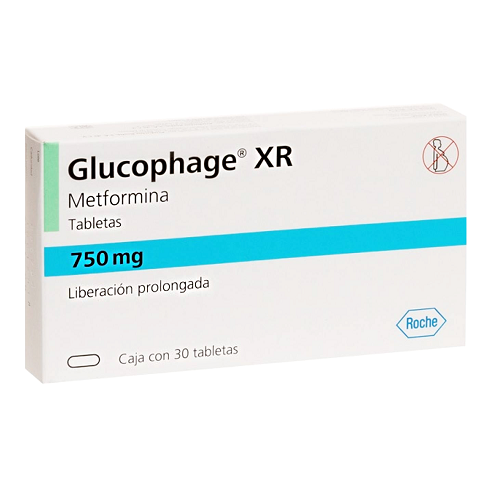
- Prolonged-release (XR) tablets: May be taken once daily (usually in the evening), but may be split.
Never exceed the maximum daily dose. Overdosing increases the risk of lactic acidosis, a rare but serious complication.
Tablet splitting: Immediate-release Glucophage 500 mg can be split if scored; XR tablets should not be split or crushed.
Elderly patients: Lower initial doses and close monitoring are advised, especially if kidney function declines with age.
When does Glucophage start working? Blood sugar levels usually start to improve within a week, but full effect can take 2–4 weeks of consistent dosing.
Duration of effect: Immediate-release tablets last about 8–12 hours; XR tablets may last up to 24 hours.
See NHS patient information: NHS: Metformin
Glucophage, Food, Alcohol, and Lifestyle: What You Must Know
- Should Glucophage be taken with food?
- Yes. Take Glucophage with, or just after, a meal to lessen stomach upset (nausea, cramps, diarrhoea).
- Does fatty food or large meals affect absorption?
- High-fat meals may slow the absorption of metformin slightly, but generally do not impair its effectiveness.
- Can I drink alcohol while taking Glucophage?
- Strongly discouraged. Regular or excessive alcohol (over 14 units/week) increases the risk of lactic acidosis—a rare but potentially fatal condition. Occasional light drinking (e.g. one glass of wine) is less risky, but always ask your doctor.
- Is grapefruit juice a problem?
- No significant interaction with grapefruit or grapefruit juice is known for metformin (unlike some other medicines).
- Must I change my diet or activity?
- Glucophage works best as part of a healthy lifestyle: regular meals, reduced processed sugar, and physical activity are all proven to improve outcomes.
Bottom line: Glucophage is not a replacement for lifestyle changes, but helps support blood glucose control when those changes alone are not enough.
Who Should Not Take Glucophage? Contraindications Explained
| Absolute Contraindications (Never Use) | Relative Contraindications (Use With Caution) |
|---|---|
|
|
In practice: Metformin is not used for at least 48 hours after major surgery or imaging with contrast dye.
Why? In these situations, the risk of lactic acidosis—the main serious risk of Glucophage—increases substantially. Your doctor will review your kidney and liver function before starting or continuing Glucophage therapy.
What Side Effects Are Most Common with Glucophage?
| Frequency | Side Effect | Mechanism/Notes |
|---|---|---|
| Very common (>1 in 10) | Gastrointestinal upset (nausea, diarrhoea, stomach pain, loss of appetite) | Direct irritation of gut; often resolves over days–weeks or with dose titration |
| Common (1 in 10–1 in 100) | Metallic taste in mouth, mild weight loss | Unknown exact mechanism |
| Rare (<1 in 1,000) | Lactic acidosis (medical emergency) | Accumulation in cases of kidney/liver dysfunction or excess alcohol |
| Very rare | Skin rash, vitamin B12 deficiency (with long-term use) | Impaired B12 absorption in intestines |
- What to do if you have side effects? For mild stomach symptoms, keep taking with food. If these do not settle, or you develop shortness of breath, confusion, severe weakness, or vomiting, seek urgent medical attention.
- Long-term monitoring: Annual blood tests for kidney function and vitamin B12 are recommended for all patients on Glucophage in United Kingdom.
Common Patient Mistakes Observed by doctor
- Stopping Glucophage due to mild stomach upset: Many patients abandon treatment too soon. Most gastrointestinal side effects resolve within 1–2 weeks, especially if the dose is increased gradually, or taken with meals.
- Taking Glucophage on an empty stomach: This significantly increases risk of nausea and diarrhoea. Always take with food.
- Skipping doses or “doubling up” after a missed dose: Missing a single dose is not dangerous, but doubling up increases risk of side effects without improving benefit. Take your next dose as scheduled.
- Not reporting new symptoms: Some ignore warning signs like muscle cramps, weakness, or reduced urination, which could signal kidney problems or lactic acidosis.
- Purchasing Glucophage online without prescription: This exposes you to counterfeit products and legal risks in United Kingdom. Only use registered pharmacies.
How to avoid: Always follow your doctor’s advice, ask about any new symptoms, and never share medicines or instructions with others.
Glucophage vs. Alternatives: A Practical Comparison
| Medicine | Main Use | Onset | Duration | Common Side Effects | Price (per 28 tablets, UK, 2026) | Prescription Needed? |
|---|---|---|---|---|---|---|
| Glucophage (original metformin) | First-line for type 2 diabetes | 3–7 days (full effect 2-4 weeks) | 8–24 hours (depending on formulation) | GI upset, rare lactic acidosis | £2–£5 | Yes |
| Generic metformin | First-line for type 2 diabetes | As above | As above | As above | £1.80–£3 | Yes |
| Sitagliptin (Januvia®) | Second-line therapy, often combined with metformin | Days | 24 hours | Headache, cold symptoms, rare pancreatitis | £33–£38 | Yes |
| Gliclazide (sulphonylurea) | Add-on therapy if metformin not tolerated | Hours–days | 12–24 hours | Low blood sugar, weight gain | £1.50–£3 | Yes |
- In short: Glucophage remains the most affordable and preferred first-line agent for most adults with type 2 diabetes in United Kingdom.
- Alternatives are typically used if Glucophage is not tolerated or does not achieve adequate control.
Key Characteristics Table for Glucophage
| Parameter | Value |
|---|---|
| Active Substance | Metformin hydrochloride |
| Available Strengths | 500 mg, 850 mg, 1000 mg |
| Formulation | Immediate-release, prolonged-release (XR) |
| Half-life (T1/2) | 4–6 hours (IR); up to 17 hours (XR) |
| Metabolism | Not metabolised; eliminated unchanged in urine |
| Special handling | Do not split XR tablets |
Glucophage Compatibility Check: Other Medications and Products
| Type of Product | Can it be Combined? | Possible Consequences |
|---|---|---|
| Paracetamol | Yes | No significant interaction |
| Aspirin (low-dose) | Yes | Generally safe; monitor for kidney function if used long-term |
| NSAIDs (e.g., ibuprofen) | With caution | Potential for kidney strain—monitor kidney function |
| Insulin | Yes (under supervision) | May increase risk of low blood sugar |
| Alcohol | NO | Increased risk of lactic acidosis—avoid |
| Contrast dyes (for scans) | NO (temporarily) | Withhold Glucophage for 48 hours around the procedure |
How to Obtain Glucophage Legally in United Kingdom: Step-by-Step
-
Consult your GP or diabetes specialist.
Only a registered doctor or nurse prescriber can legally authorise Glucophage in United Kingdom. Discuss your symptoms and undergo appropriate blood tests. -
Receive a prescription.
If suitable, your prescriber will issue an NHS or private prescription, either as a paper form or electronically. -
Choose where to fill your prescription.
- Visit any community pharmacy with your prescription.
- Or, order Glucophage from a registered online pharmacy in United Kingdom (requires prescription upload or online verification).
-
Collect or receive your medication.
NHS prescription charges apply unless exempt. Your pharmacist will provide advice on safe use. - Never attempt to buy Glucophage without prescription from unregulated websites. This is illegal in United Kingdom and puts you at risk of counterfeit or unsafe products.
Tip: Online pharmacies in United Kingdom must display the official green cross verification—look for this before placing an order.
Glucophage cheap or affordable options: For eligible patients, the NHS covers the cost of Glucophage apart from the standard prescription charge (£9.65 per item in England, 2026), or free for qualifying groups.
How to Recognise Genuine Glucophage vs. Counterfeits in United Kingdom
- Original Glucophage comes in sealed blister packs with “Sanofi” brand, batch number, and expiry date printed clearly.
- Genuine UK packs show the MHRA licence number and an English patient information leaflet.
- Check for tamper-evident seals and intact holograms or QR codes (present on most UK packs as of 2026).
- Counterfeit warning signs: Misspelt labelling, low-quality printing, no batch number, or prices “too good to be true” (e.g. Glucophage cheap offers below NHS cost).
- Generics will have the UK-licensed manufacturer’s name and licence details (e.g., Teva, Accord, Mylan).
What are generics? Genuine generics contain the same active ingredient as Glucophage, but may use different colouring or fillers. They must pass the same UK safety and efficacy standards.
Original Glucophage vs. Generics: What’s the Difference?
- Active ingredient: Identical (metformin hydrochloride)
- Excipients: May differ; occasionally, a patient may react to a specific filler or dye, not the metformin itself.
- Effectiveness: By law, all UK generics must match the original medicine’s effectiveness within a strict margin.
- Appearance: Colour, shape, or markings may differ; always check the name and strength on the box.
- Cost: Generics are usually less expensive (purchase Glucophage generics for £1.80–£3 per pack under NHS).
Clinical tip: If you notice new symptoms when switching between brands, discuss with your pharmacist or doctor.
Is Glucophage Safe for All Patient Groups?
- Older adults: More prone to kidney function decline—dose adjustment and regular monitoring needed.
- Pregnancy: Not first-line, but may be continued in some women under specialist advice (see NHS pregnancy & diabetes).
- Children: Licensed for children aged 10 years and above with type 2 diabetes, under specialist care.
- Fertility: No evidence of harm to fertility; sometimes used in polycystic ovary syndrome (PCOS), but off-label for this in United Kingdom.
- Driving and machinery: Metformin does not cause hypoglycaemia alone, so does not impair driving when used as monotherapy.
What to Do in Case of Glucophage Overdose
- Stop taking Glucophage immediately.
- Call 999 or seek emergency medical attention in United Kingdom.
- Inform the healthcare team about the exact dose and time taken.
- If possible, bring the medication packaging with you.
- Do not induce vomiting or try home remedies.
Symptoms to watch for: Rapid breathing, confusion, severe nausea or vomiting, muscle pain, drowsiness.
Important: Glucophage overdose can cause lactic acidosis, which is a medical emergency.
Questions Frequently Asked to doctor
- Can I buy Glucophage online in United Kingdom?
- Yes, but only from a registered online pharmacy and only with a valid prescription. If a website offers Glucophage without prescription, it’s likely illegal and unsafe.
- What should I do if I forget to take a dose?
- Take your next dose as scheduled. Do not double up. Skipping a single dose is not dangerous, but frequent missed doses reduce effectiveness.
- Is it safe to drink alcohol while taking Glucophage?
- Avoid regular or heavy alcohol use; this increases the risk of lactic acidosis. Light, occasional drinking may be acceptable, but ask your doctor first.
- Will Glucophage cause low blood sugar?
- Not usually when used alone. If you are also taking insulin or other diabetes tablets, discuss your risk with your doctor.
- Can Glucophage help with weight loss?
- Some patients notice modest weight loss, but it is not primarily a weight-loss drug. The effect is variable.
- Is Glucophage safe for people with kidney problems?
- Only if kidney function is above a certain level (eGFR ≥30 mL/min/1.73m²). Lower function increases risk and requires specialist advice.
- How long will I need to take Glucophage?
- Most people with type 2 diabetes will take it long term, but your doctor will review this at least annually.
- Does Glucophage interact with other medicines?
- Some common medicines (e.g. NSAIDs, certain blood pressure drugs, contrast media for scans) may interact. Always inform your prescriber about all medicines you take.
Professional Opinion of doctor
In my experience, Glucophage remains the cornerstone treatment for most adults newly diagnosed with type 2 diabetes in United Kingdom. Patients who are overweight or have normal kidney function typically benefit the most, and the risk of serious side effects is low compared to other diabetes drugs, provided dosing and monitoring guidelines are followed. The main limitation is gastrointestinal intolerance, which can almost always be managed by gradual dose escalation. However, those with advanced kidney, liver, or heart disease may require alternative therapies. I urge patients not to seek Glucophage without prescription or from unregulated sources—this is both illegal and dangerous. The best outcomes are achieved when Glucophage is combined with lifestyle changes and ongoing support from a diabetes team. If Glucophage alone does not provide sufficient blood glucose control, your clinician may recommend adding a second agent or switching therapies altogether.
Support and Next Steps
Living with type 2 diabetes is challenging, but you are far from alone—millions across United Kingdom manage it with the right support. Seeking help is not a sign of weakness, and many find that discussing concerns with their GP, diabetes nurse, or a trusted partner is a key step to better control.
If you have questions about symptoms, side effects, or the process to buy Glucophage safely, ask your pharmacist or diabetes specialist. For ongoing support, many NHS trusts in cities like Manchester, Birmingham, and London offer dedicated diabetes clinics and education programmes.
If Glucophage does not work for you: Do not lose hope. Today, a wide range of alternative therapies and support services are available in United Kingdom, and most people can achieve good diabetes control with expert help.
Frequently Asked Questions About Glucophage in United Kingdom
- Can I buy Glucophage without prescription in United Kingdom?
- No. It is illegal and unsafe to buy Glucophage without a valid prescription in United Kingdom.
- Is Glucophage available in United Kingdom pharmacies?
- Yes, but only with a prescription from your doctor or diabetes nurse.
- Can I order Glucophage online?
- Yes, through registered UK online pharmacies with a prescription. Avoid websites offering Glucophage online with no prescription required.
- How much does Glucophage cost on the NHS?
- Typically, the standard NHS prescription charge applies (£9.65 per item in England, 2026), or free if you are exempt.
- Are there affordable or cheap Glucophage options?
- Generic metformin is available on the NHS for a lower price; original Glucophage and generics have similar effectiveness.
- What should I do if I miss a dose?
- Take your next scheduled dose as usual. Do not double up.
- How long does Glucophage take to work?
- Most people see improvement within 7 days, but full effect may take 2–4 weeks.
- Can I drive while taking Glucophage?
- Yes, provided you are not taking other medicines that increase risk of low blood sugar.
- Can I take Glucophage with my other medications?
- Usually yes, but always inform your prescriber. Some medicines may increase side effect risk.
- Is Glucophage suitable for type 1 diabetes?
- No, Glucophage is not a substitute for insulin in type 1 diabetes.
Sources / References
- National Institute for Health and Care Excellence (NICE). Type 2 diabetes in adults: management (NG28). 2026 update. https://www.nice.org.uk/guidance/ng28
- Medicines and Healthcare products Regulatory Agency (MHRA). Medicines: licensing. https://www.gov.uk/government/organisations/medicines-and-healthcare-products-regulatory-agency
- NHS. Metformin. https://www.nhs.uk/medicines/metformin/
- British National Formulary (BNF). Metformin Hydrochloride. https://bnf.nice.org.uk/drugs/metformin-hydrochloride/
- Joint Formulary Committee. British National Formulary. London: BMJ Group and Pharmaceutical Press; 2026.
- PubMed. Metformin in type 2 diabetes: 2024 update review. https://pubmed.ncbi.nlm.nih.gov/
- EMA. European Medicines Agency. https://www.ema.europa.eu/en
- WHO. Model List of Essential Medicines. https://www.who.int/groups/expert-committee-on-selection-and-use-of-essential-medicines/essential-medicines-lists