- Home/
- Buy Glucophage Online in the United Kingdom Safely and Conveniently
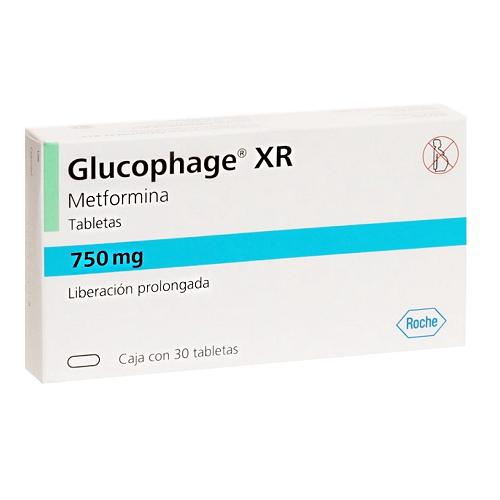
Glucophage is a prescription medication for adults and some young people with Type 2 Diabetes. Its active ingredient, Metformin, helps lower blood sugar without causing weight gain or hypoglycaemia on its own. Before starting Glucophage, know this: how your body tolerates the medicine and how you take it will shape your long-term results as much as the dose your doctor prescribes.
Life with Glucophage: What No One Tells You at the Start
It’s early morning. You’ve just left the surgery with a new prescription for Glucophage, clutching a packet of tablets and a head swirling with questions. The official advice sounded straightforward: “Take this with food, and we’ll review your blood tests in three months.” But as you stand at the kitchen counter, ready to swallow that first pill, the reality sets in: this isn’t a one-off fix. Glucophage becomes part of the background rhythm of your days—and it’s quietly shaping your health in ways you can’t feel.
That first week, you might feel nothing. Or you might discover your stomach objects to the change, rumbling with a quiet rebellion. For many in United Kingdom newly diagnosed with Type 2 Diabetes, Glucophage is not just a starting point—it’s the reference by which all future treatments are measured. No one warns you that it will take patience to see the benefits, or that the most common early challenge is not your blood sugar, but your gut.
Clinical tip: If you feel nauseous, bloated, or have loose stools in the first week, these effects often ease with time or dose adjustment. Don’t stop Glucophage without speaking to your GP or pharmacist. There are practical ways to improve tolerability.
Yet, for most patients, Glucophage is the starting line, not the finish. What happens next will depend on how your body responds and how your life adapts around the new routine. The next sections will help you anticipate what’s coming—and what’s worth asking about before your next review.
Why Glucophage Is Usually First Choice for Type 2 Diabetes in United Kingdom
Doctors across United Kingdom reach for Glucophage first in newly diagnosed Type 2 Diabetes, and that choice is not arbitrary. Though new drugs crowd the headlines, Metformin—the active ingredient in Glucophage—has built its reputation over decades of real-world use, not just clinical trial evidence. Its role is enshrined in national and international guidelines, including those from NICE and the NHS (NICE | NHS).
- It reliably lowers blood sugar without causing weight gain—unlike sulfonylureas or insulin.
- Hypoglycaemia (dangerously low blood sugar) is rare with Glucophage when taken alone.
- It is proven to reduce the risk of diabetes complications over time—evidence from long-term studies backs this up.
- Affordable and widely available: NHS prescriptions, local pharmacies, and regulated online services all dispense Glucophage. In many cases, the cost for patients is minimal or zero due to NHS prescription charges exemptions for diabetes.
Over 60% of people newly diagnosed with Type 2 Diabetes in United Kingdom start treatment with Glucophage (Metformin).
What sets Glucophage apart—not just from a doctor’s perspective but from yours—is the way it fits into everyday life. There’s no need for daily blood glucose monitoring unless you take it with other drugs that increase hypoglycaemia risk. The medication is usually taken with meals, making adherence easier. But perhaps most important: it gives you time to adjust to the diagnosis without the extra burden of injections or frequent blood tests.
How Glucophage Works for You—And When It Stops Working
Glucophage does not force your pancreas to release more insulin or artificially drive your blood sugar down. Its power lies in making your body more sensitive to insulin—a hormone you already produce—and in curbing the liver’s release of stored glucose into your bloodstream. This subtle approach is why many patients avoid the rollercoaster of blood sugar highs and lows seen with other Type 2 Diabetes medications.
- Metformin’s three main actions:
- 1. Reduces the amount of glucose released by your liver.
- 2. Increases your cells’ sensitivity to insulin, so they use glucose more efficiently.
- 3. Slightly slows glucose absorption from the gut after meals.
In plain English: Glucophage helps your natural insulin work better, rather than making your body produce more of it. This is why it rarely causes low blood sugar on its own.
But what about when the effect is not enough? Over time, Type 2 Diabetes can progress—your pancreas may produce less insulin, or your body becomes more resistant. Some people notice their blood sugar creeping up despite steady Glucophage use. This isn’t failure; it’s the natural history of the disease. When Glucophage alone can’t keep your blood sugar in target range, your doctor may suggest adding another medication or changing the treatment plan.
About 1 in 3 patients will need additional medication within five years of starting Glucophage.
In practice, Glucophage forms the foundation of therapy for most people with Type 2 Diabetes in United Kingdom, but it is rarely the whole story for life. The flexibility of combining it with other classes—like SGLT2 inhibitors, GLP-1 agonists, or insulin—makes it uniquely adaptable.
Glucophage vs the Rest: Which Type 2 Diabetes Treatments Compete?
| Medication | Active Ingredient | Mechanism | Risk of Hypoglycaemia | Weight Effect | Common Side Effects | Prescription Needed? | Cost (NHS, UK) |
|---|---|---|---|---|---|---|---|
| Glucophage | Metformin | Improves insulin sensitivity, reduces liver glucose output | Rare (monotherapy) | Weight neutral or small loss | Gastrointestinal upset, rarely lactic acidosis | Yes | Low or free with NHS exemption |
| Gliclazide | Sulfonylurea | Stimulates pancreas to release more insulin | Common | Weight gain | Hypoglycaemia, weight gain | Yes | Low or free with NHS exemption |
| Empagliflozin | SGLT2 inhibitor | Increases glucose excretion in urine | Rare | Weight loss | Urinary tract/genital infections | Yes | Higher; some coverage, depends on CCG |
| Liraglutide | GLP-1 agonist | Increases insulin, decreases appetite | Rare | Weight loss | Nausea, risk of pancreatitis | Yes | Much higher, limited coverage |
This table makes one truth clear: Glucophage is the baseline for safety, cost, and tolerability in United Kingdom. Only Metformin (Glucophage) delivers proven benefits without the catch of frequent hypoglycaemia or weight gain. Many newer drugs offer extra benefits, especially for those with heart or kidney disease, but they come at higher cost and with more side effects. When you buy Glucophage or order Glucophage online, you are choosing a medicine whose safety profile and affordability are hard to match, which is why doctors start here unless your personal situation dictates otherwise.
How to Take Glucophage in Daily Life: Dosing, Practicalities and Tips
Taking Glucophage isn’t just about counting tablets—it’s the small decisions every day that determine whether the medication works for you or becomes a struggle. Glucophage comes in immediate-release and modified-release (MR or XR) forms. Most start with the standard tablet, usually 500 mg once or twice daily with meals. The dose is gradually increased based on blood sugar targets and your tolerance. Some people switch to the modified-release version if stomach upset gets in the way.
Tip: Always take Glucophage with or after food, not on an empty stomach. This isn’t just traditional advice—it’s proven to reduce gastrointestinal side effects.
For most adults, the typical maintenance dose is 1,500–2,000 mg daily, split into two or three doses. The maximum is usually 2,000–2,500 mg per day, but not everyone needs or tolerates that amount. Your GP will tailor the dose to your needs, blood results, and side effect profile. Doses may differ for older adults or those with kidney problems.
| Patient Group | Starting Dose | Usual Maintenance Dose | Maximum Dose | Notes |
|---|---|---|---|---|
| Adults (Standard) | 500 mg 1–2x daily | 1,500–2,000 mg/day | 2,000–2,500 mg/day | Always with meals |
| Older Adults | 500 mg once daily | 1,000–1,500 mg/day | 2,000 mg/day | Monitor kidney function regularly |
| Renal Impairment (eGFR 30–45) | 500 mg once daily | 1,000 mg/day max | 1,000 mg/day | Do not start if eGFR <45; stop if eGFR <30 |
| Children (10+; rare in UK) | 500 mg once daily | Up to 2,000 mg/day | 2,000 mg/day | Paediatric specialist supervision only |
This dosing flexibility is one reason why Glucophage is so widely used in United Kingdom. If you struggle with side effects, ask your GP or pharmacist about switching to the slow-release form—many patients find it easier to tolerate. Do not break or crush modified-release tablets. And always keep your annual kidney function tests up to date; this ensures that your dose remains safe.
Which Side Effects Matter Most with Glucophage—And When to Act
Glucophage’s reputation for safety is well-earned, but the reality is less simple than it sounds. Most people experience no serious problems—but the first weeks can bring stomach upset: nausea, diarrhoea, bloating, or cramps. For most, these fade with time, especially if you build up the dose gradually or use the modified-release version.
- Nausea or indigestion: Usually settles after a few days; taking with food helps.
- Loose stools or diarrhoea: May recur intermittently; rarely a reason to stop completely unless severe.
- Metallic taste: Annoying but harmless, often fades.
There are two risks that deserve special attention. The first is lactic acidosis—an extremely rare but serious complication, almost never seen in people with normal kidney and liver function. The second is that long-term use can mildly lower vitamin B12 in some people, leading to anaemia or nerve symptoms if undetected. Both are monitored by your GP with routine blood tests.
doctor: “In my experience, most patients who stop Glucophage do so because they are not warned about the stomach side effects and what to do about them. The key is not to tough it out—speak to your GP or pharmacist, as dose adjustment or a switch to modified-release often solves the problem. True intolerance is rare, but it’s vital to act early if you feel unwell, especially if you develop muscle pain, breathlessness, or confusion, which can be signs of lactic acidosis. These are medical emergencies.”
| Side Effect | How Often | When to Contact a Doctor |
|---|---|---|
| Nausea, diarrhoea | Very common (20–30%) | If severe, persistent, or causes dehydration |
| Lactic acidosis | Extremely rare (<1 in 10,000) | Immediately, if you develop muscle pain, weakness, shortness of breath, confusion |
| Vitamin B12 deficiency | Uncommon (1–10%) | If you develop unexplained fatigue, anaemia, or nerve symptoms |
| Allergic reaction | Very rare (<1 in 10,000) | Immediately, for rash, swelling, or difficulty breathing |
If you develop side effects, don’t stop your medication abruptly. Contact your GP for advice; alternative forms or strategies exist. Most importantly, never ignore severe symptoms—especially if you have risk factors for kidney problems or dehydration.
When Glucophage Is Not the Right Choice: Red Lines and Grey Areas
Do NOT take Glucophage if: You have severe kidney disease (eGFR <30), significant liver dysfunction, or a history of lactic acidosis. These are strict contraindications—Glucophage is unsafe in these contexts.
Use with caution if: You are over 80, dehydrated, have unstable heart failure, drink heavily, or are planning major surgery or contrast scans. These situations may require temporary pause or specialist review.
For patients with mild kidney impairment (eGFR 30–45), Glucophage can be continued at a lower dose with close monitoring, but starting it in this range is generally avoided in United Kingdom. If you develop an acute illness causing dehydration, vomiting, or poor fluid intake, your GP may recommend stopping Glucophage until you recover to reduce the risk of lactic acidosis.
Pregnancy is another grey area. Metformin is sometimes used under hospital supervision in gestational diabetes or for women with polycystic ovary syndrome (PCOS), but for established Type 2 Diabetes in pregnancy, insulin remains the standard and safest treatment. Always inform your doctor if you become pregnant or are planning pregnancy while taking Glucophage.
Access, Cost, and Buying Glucophage in United Kingdom: What Patients Really Face
Glucophage is a prescription-only medicine in United Kingdom. That means you cannot legally buy Glucophage without prescription from a doctor, whether in a high street pharmacy or online. While some websites claim to sell Glucophage online or offer to ship Glucophage cheap with no prescription check, this is not just illegal—it is unsafe. Genuine UK pharmacies are regulated by the General Pharmaceutical Council (GPhC), and they will always require a prescription, whether you order Glucophage in pharmacy or through a registered online service.
- NHS prescription: The standard and safest route. If you have a medical exemption for diabetes, you pay nothing. Otherwise, standard prescription charges apply (£9.65 per item in England as of 2024). Scotland, Wales, and Northern Ireland do not charge for NHS prescriptions.
- Private prescription: If you see a private doctor, you will pay for both the consultation and the medication. Prices vary but are usually low for Glucophage compared to newer diabetes drugs.
- Online regulated pharmacy: You may order Glucophage online from a GPhC-registered pharmacy, but a prescription is still required. Online assessments are legitimate only if conducted by a UK-registered prescriber.
Never buy Glucophage without prescription from unregulated sources. Counterfeit medicines and incorrect dosing are real risks. If cost is an issue, speak to your GP about NHS support or consider the generic form, which is equally effective.
Glucophage in United Kingdom remains one of the most affordable diabetes treatments. Generic Metformin is widely available—and, for most, there is no clinical difference between buying the original Glucophage and the generic. If you’re looking to purchase Glucophage cheap, the generic version is the lowest-cost and recommended option. It is the price of safety and reliability that matters most here, not brand.
FAQ: Glucophage in United Kingdom
- Can I buy Glucophage without prescription in United Kingdom?
- No. Glucophage is a prescription-only medicine regulated by UK law. Any website offering Glucophage without prescription is not operating legally and may sell counterfeit or unsafe products. Always obtain your medicine from a registered pharmacy or through your NHS GP.
- Is it safe to order Glucophage online?
- Ordering Glucophage online is safe only if you use a registered UK pharmacy with proper prescription checks. Look for GPhC registration, and avoid sites offering to sell Glucophage online without a valid prescription. Consult your doctor or pharmacist if in doubt.
- How much does Glucophage cost in United Kingdom?
- For most patients, Glucophage costs either a standard NHS prescription charge per item or is free if you qualify for a diabetes exemption certificate. If you purchase Glucophage privately, the price is usually low compared to other diabetes medications, especially newer options.
- Are there differences between Glucophage and generic Metformin?
- In terms of effectiveness and safety, no meaningful differences exist. Both contain Metformin as the active ingredient. The main differences are in tablet shape and packaging. Generic Metformin is usually the more affordable option and is widely dispensed by NHS pharmacies.
- What should I do if I experience side effects with Glucophage?
- Don’t stop the medication on your own. Side effects like stomach upset are common but often settle. Speak to your GP or pharmacist—they may adjust the dose, switch you to a slow-release form, or recommend ways to make it more tolerable. If you develop severe symptoms, such as breathlessness or confusion, seek medical help immediately.
- Can I take Glucophage if I have kidney problems?
- It depends on the severity. Glucophage is usually safe if your eGFR is above 45, but doses may need to be lowered for mild to moderate impairment. It is not recommended and can be dangerous if your kidney function is severely reduced (eGFR below 30). Your GP will monitor this with regular blood tests.
- Is Glucophage suitable for weight loss in people without diabetes?
- Glucophage is not licensed in United Kingdom for weight loss in people without diabetes or PCOS, and off-label use is generally discouraged. The weight effect is modest even in diabetes. If weight management is your goal, discuss evidence-based approaches with your healthcare provider.
- How long will I need to take Glucophage?
- Type 2 Diabetes is a long-term condition, so Glucophage is usually prescribed indefinitely, unless side effects or changes in your health mean it is no longer suitable. Regular reviews with your GP will determine whether you need to continue, adjust the dose, or add another medication.
- Can I drink alcohol while taking Glucophage?
- Moderate alcohol consumption is generally safe, but heavy drinking increases the risk of lactic acidosis. Avoid binge drinking and always keep well hydrated, especially during illness or hot weather.
Sources and References
- Type 2 Diabetes: Overview | NHS
- Type 2 Diabetes in Adults: Management | NICE Guideline NG28
- Glucophage Summary of Product Characteristics | EMC
- Medicines and Healthcare Products Regulatory Agency (MHRA)
- Metformin for Type 2 Diabetes: A Review of Guidelines and Evidence | Diabetes UK, 2021
- Diabetes | World Health Organization (WHO)
- Metformin: Clinical Use and Long-Term Safety | British Medical Journal, 2022
- Metformin (Oral Route): Description and Precautions | Mayo Clinic