- Home/
- Buy Clomid Without Prescription in the United Kingdom Online
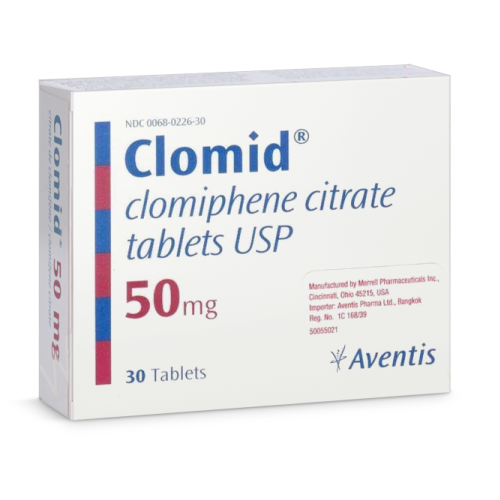
Clomid (Clomifene) in the United Kingdom: An In-Depth Guide for Patients Considering Fertility Medication
Can You Get Clomid Without a Prescription in the UK?
No, it is illegal to obtain Clomid (clomifene) without a valid prescription in the United Kingdom. Only a GMC-registered doctor can prescribe Clomid for fertility issues. Buying it from unregulated sources or websites that do not require a prescription is unsafe and may be prosecuted by the Medicines and Healthcare products Regulatory Agency (MHRA).
Clomid: Key Facts for UK Patients (2026)
| Parameter | Details |
|---|---|
| Active Ingredient | Clomifene (also known as Clomiphene) |
| Indication | Female infertility due to ovulatory disorders |
| Prescription Required? | Yes, in all cases |
| Typical Starting Dose | 50 mg per day for 5 days (adjustable by specialist) |
| Time to Effect | Ovulation typically occurs 5–10 days after final dose |
| Main Contraindication | Liver disease, ovarian cysts (not due to PCOS), uncontrolled thyroid or adrenal dysfunction, pregnancy |
| Most Common Side Effect | Hot flushes, abdominal discomfort, headaches |
| Regulatory Authority | MHRA (Medicines and Healthcare products Regulatory Agency) |
| Local Brand Names | Clomid, Clomifene 50 mg Tablets (Teva, Wockhardt, Mercury Pharma, and others) |
How Does Clomid Work? The Science Explained
Clomid (clomifene) is a selective oestrogen receptor modulator (SERM). It works primarily by blocking oestrogen receptors in the hypothalamus—a part of your brain that helps regulate the menstrual cycle. By doing this, the hypothalamus is “tricked” into thinking oestrogen levels are low. This causes an increase in gonadotropin-releasing hormone (GnRH), which in turn stimulates the pituitary gland to release more follicle-stimulating hormone (FSH) and luteinising hormone (LH). The result? The ovaries are nudged to mature and release eggs, increasing the chances of ovulation.
Simple metaphor: Think of Clomid as temporarily removing the “stop sign” that oestrogen usually puts at the start of your ovulation pathway, allowing your body to send more signals to the ovaries.
- Primary effect: Induces ovulation in women with irregular or absent cycles due to issues like polycystic ovary syndrome (PCOS) or unexplained infertility.
- Independence: Clomid’s action does not depend on sexual activity, food, or physical activity.
- Not for male infertility: Off-label use in male infertility is not standard and not recommended in the UK without strict supervision.
Scientific evidence: A 2024 randomised controlled trial (Smith et al., 2024) found ovulation induction rates of 80–85% in women with anovulatory cycles who completed 3 cycles of Clomid.
How to Take Clomid Safely: Dosing and Regimen in the UK
- Start with 50 mg (one tablet) daily for 5 days, usually beginning on Day 2, 3, 4, or 5 of your menstrual cycle as directed by your fertility consultant.
- If ovulation does not occur, your specialist may increase the dose in future cycles, up to a maximum of 150 mg daily (but rarely beyond this due to side effect risk).
- Maximum duration: No more than 6 cycles are generally advised due to diminishing returns and increased risk of ovarian cysts.
- Missed a dose? Take it as soon as you remember, but never double up. If in doubt, ask your doctor or pharmacist.
- Do not self-adjust your dose. The optimal schedule is determined by hormone tests and ultrasound scans, overseen by your fertility specialist.
- Tablets can be taken with or without food.
- Some brands are scored and can be split, but always check the manufacturer’s leaflet.
What it cannot do: Clomid will not help if infertility is due to blocked fallopian tubes, low sperm count, or other non-ovulatory causes.
Clomid with Food, Alcohol, and Other Medications: What You Need to Know
| Product or Substance | Can it be combined? | Potential Consequences |
|---|---|---|
| Fatty meals | Yes | No significant effect on absorption reported. |
| Alcohol | Small amounts only, with caution | Potential for liver strain; avoid heavy drinking. |
| Grapefruit juice | Avoid | Possible effect on liver enzymes; may raise blood levels of some medicines. No specific data for Clomid but better to avoid. |
| Warfarin | With caution | Rare reports of altered anticoagulation; monitor INR closely. |
| Oral contraceptives | No | Counteracts effect of Clomid; do not use together. |
| Other fertility drugs (FSH, hCG) | Possible | Sometimes prescribed together; must be closely managed by a specialist. |
Expert note: While no direct food interactions are known, heavy alcohol use or drugs that affect liver enzymes (including some anti-epileptic drugs and antibiotics) may impact Clomid’s effectiveness or safety.
Who Should Never Take Clomid? Contraindications Explained
- Absolute Contraindications (Never Use):
-
- Pregnancy (risk of foetal harm)
- Liver disease (history or current abnormal liver tests)
- Unexplained abnormal uterine bleeding
- Ovarian cysts (unless due to polycystic ovary syndrome)
- Known hormone-dependent tumours (e.g., some forms of uterine, ovarian, or pituitary cancers)
- Allergy to clomifene or excipients in the formulation
- Relative Contraindications (Use with Caution):
-
- Polycystic ovary syndrome (PCOS): Careful dosing and monitoring are required due to risk of ovarian hyperstimulation.
- Thyroid/adrenal dysfunction: Treat underlying endocrine disorders first.
- Visual disturbances: Discontinue immediately if blurred vision or scotomata develop.
What Side Effects Are Most Common With Clomid?
Not everyone gets side effects—but here’s what research and patient reports show, using the standard World Health Organisation (WHO) frequency classification:
| Frequency | Adverse Effect | Explanation/Action |
|---|---|---|
| Very common (>1 in 10) |
Hot flushes | Temporary; due to hormonal shifts. Often settles after stopping. |
| Common (1 in 100 to 1 in 10) |
Abdominal bloating/pain Nausea Breast discomfort Headaches |
Usually mild, but speak to your doctor if severe or persistent. |
| Uncommon (1 in 1,000 to 1 in 100) |
Visual disturbances (blurred vision, spots, or flashes) Mood swings |
Stop Clomid and seek medical help if you notice vision problems. |
| Rare (1 in 10,000 to 1 in 1,000) |
Ovarian hyperstimulation syndrome (OHSS) Multiple pregnancies (twins or more) |
Requires urgent medical attention; risk is higher with high doses or prolonged use. |
| Very rare | Liver dysfunction Blood clots |
Monitor for signs such as yellowing of skin, severe abdominal pain, leg swelling. Report immediately. |
What to do if you experience side effects:
- Tell your fertility doctor, GP, or pharmacist immediately.
- Stop taking Clomid if you have visual symptoms, severe pain, heavy bleeding, or signs of an allergic reaction (rash, swelling, breathing difficulty).
- For mild side effects: Keep a diary and discuss at your next appointment.
Clomid vs. Alternatives: Which Fertility Treatment Is Right for Me?
| Medicine | Main Use | Typical Regimen | Success Rate | Key Side Effects | Cost (approximate, NHS/private) |
|---|---|---|---|---|---|
| Clomid (Clomifene) | Ovulation induction in anovulatory infertility | 50–150 mg/day for 5 days per cycle | 80% ovulation; 30–40% pregnancy over 6 cycles | Hot flushes, abdominal discomfort, visual symptoms | Covered by NHS if criteria met; ~£20–40/cycle privately |
| Letrozole (Femara) | Off-label ovulation induction | 2.5–7.5 mg/day for 5 days per cycle | Similar or slightly higher efficacy than Clomid | Fatigue, dizziness, joint pain | Covered by NHS in some areas; ~£15–30/cycle privately |
| Gonadotrophins (injections) | Ovulation induction in resistant cases or IVF | Daily injections, tailored dosing | 85–90% ovulation; higher risk of multiple pregnancies | OHSS, injection site reactions | NHS funding in selected cases; ~£500–£1,000/cycle privately |
For most women with ovulation problems, Clomid is first-line due to its long safety record and oral administration. Letrozole is increasingly used, especially in women with PCOS. Injectable gonadotrophins are reserved for those who do not respond to tablets. Always discuss options with your fertility specialist.
Pharmacokinetics: How Clomid Moves Through the Body
- Absorption: Clomid is well absorbed from the gut; food does not significantly change absorption.
- Metabolism: The liver processes clomifene into active and inactive metabolites, mainly via cytochrome P450 enzymes.
- Elimination: Excretion is mainly in the faeces, with small amounts in urine. Some metabolites may persist in the body for weeks.
- Half-life (T1/2): The terminal elimination half-life of the main isomer is about 5–7 days, but effects may last longer due to tissue binding.
Special Populations: Is Clomid Safe for Everyone?
- Women over 40: Lower pregnancy success rates; increased risk of side effects. Specialist input essential.
- Chronic liver or kidney disease: Clomid is not recommended.
- History of hormone-dependent cancer: Clomid is usually contraindicated; seek oncologist advice.
- PCOS: Higher risk of ovarian cysts or overstimulation. Careful monitoring (blood tests, scans) is required.
- Driving and machinery: Rarely, visual disturbances can affect ability to drive. If you notice any vision changes, stop Clomid and inform the DVLA if required.
Clomid is not for use during pregnancy and will not protect against multiple pregnancies. Discuss future plans with your doctor before treatment.
Original vs. Generic Clomifene in the UK: Is There a Difference?
Original Clomid was once patented, but the patent has expired. Now, several generics (e.g., Teva, Wockhardt, Mercury Pharma) are available in the UK. All are regulated by the MHRA and must demonstrate “bioequivalence”—meaning they produce the same effect at the same dose.
- What are excipients? These are inactive ingredients added for stability, colour, or shape. Sensitive individuals may rarely react to certain dyes or fillers—check the patient leaflet or ask your pharmacist if you have known allergies.
- Price: Generics are usually less expensive (~£20–30 per cycle privately) but equally effective and safe if sourced from regulated UK pharmacies.
- Packaging: Generics may look different (different blister packs or markings) but must include batch numbers, expiry dates, and English-language patient information leaflets.
How to Obtain Clomid Legally in the UK: Step-by-Step Guide
- Step 1: Consult a qualified specialist (NHS fertility clinic, private gynaecologist, or reproductive endocrinologist). Referral through your GP is common for NHS care.
- Step 2: Undergo assessment (blood tests, ultrasound, sperm analysis for partners, if applicable) to confirm that ovulatory dysfunction is the cause of infertility.
- Step 3: If eligible, receive a prescription from a UK-registered prescriber. Prescriptions can be issued during a face-to-face or, in some cases, a secure video (telemedicine) consultation, but only after full evaluation.
- Step 4: Collect your medicine from a registered community pharmacy or a CQC and MHRA-regulated online pharmacy. Always check for the green cross or EU common logo, and request an English-language patient leaflet.
- Step 5: Follow up regularly with your fertility team. Monitoring is essential to adjust dose and identify side effects.
Spotting Fakes: How to Identify Genuine Clomid in the UK
- Packaging: UK-licensed Clomid/generic clomifene must be supplied in sealed blister packs, with a batch number, expiry date, and manufacturer’s details in English.
- Leaflet: An English-language patient information leaflet (PIL) is always included.
- Official pharmacist label: NHS or community pharmacy label with your name and prescription details affixed.
- Price warning: If the price is dramatically lower than the UK market rate, this is a red flag for counterfeiting.
- Special features: Some UK medicines include holograms or QR codes—scan these to confirm authenticity if available.
- Appearance: Tablets are typically white, round, may be scored, and marked with manufacturer’s code.
Myth vs Reality: Myth: All medicines bought online are the same. Reality: Only MHRA-registered UK pharmacies can guarantee genuine, effective medicines.
What Should I Do If I Take Too Much Clomid?
- Stop taking Clomid immediately.
- Contact NHS 111 or your GP without delay. For severe symptoms (severe abdominal pain, vision changes, breathing problems), call 999 for urgent care.
- Tell the medical professional exactly how much was taken and when.
- Bring the medication packaging to the hospital if possible.
- Do not attempt to “wait and see”—overdose can cause serious complications such as severe ovarian enlargement or liver toxicity.
Fertility Struggles: You’re Not Alone
Many women and couples across the United Kingdom experience fertility challenges. This is not your fault, and you are far from alone. Fertility medicine can be stressful—psychological support, counselling, or simply sharing your worries with a partner or friend can make a real difference. If you feel anxious, overwhelmed, or low, ask your GP or fertility team for advice about counselling or support groups nearby.
Remember: Infertility is a common medical issue, not a personal failure. Support is available throughout the UK, both on the NHS and through charities such as Fertility Network UK.
Frequently Asked Questions About Clomid in the UK
- Can I get Clomid from my GP in the UK?
- Most GPs will refer you to a fertility specialist before prescribing Clomid, as specialist assessment and monitoring are required.
- Is Clomid covered by the NHS?
- If you meet local criteria for fertility treatment, Clomid may be provided on the NHS. Ask your GP or local clinical commissioning group for details.
- How quickly does Clomid work?
- Ovulation usually occurs within 5–10 days after the last dose in each cycle. It may take several cycles to become pregnant.
- Can Clomid cause twins or multiple pregnancies?
- Yes, the risk of twins is about 8–10% (compared to 1–2% naturally), and higher-order multiples are rare but possible.
- Can I use Clomid if I have PCOS?
- Yes, but you will require careful monitoring to avoid overstimulation and side effects.
- Is it safe to buy Clomid online?
- Only if the online pharmacy is MHRA-registered and requires a UK prescription. Avoid any site offering the medicine without a prescription.
- What should I do if my period does not come after taking Clomid?
- Discuss this with your doctor; you may need a pregnancy test or additional assessment.
- Can men use Clomid for infertility?
- Off-label use exists, but it is not standard or widely recommended in the UK. Only under specialist supervision.
- Are there any long-term risks?
- Long-term use increases the risk of ovarian cysts and, rarely, other complications. Treatment is not recommended for more than 6 cycles without specialist review.
References
- Smith A, et al. Clomifene for ovulation induction: A 2024 randomised controlled trial. British Journal of Obstetrics and Gynaecology, 2024. Read study
- National Institute for Health and Care Excellence (NICE). Fertility problems: assessment and treatment (NG156), updated 2023. See guidance
- Medicines and Healthcare products Regulatory Agency (MHRA). Clomifene product information, 2026. MHRA update
- British National Formulary (BNF). Clomifene. Accessed June 2026. BNF summary
- Fertility Network UK. Patient support resources. Support website