Corporate social responsibility isn’t just a business policy—it’s a meaningful commitment to people, planet and sustainable communities. In the context of CSR Vietnam, more organisations are recognising that true CSR means supporting initiatives that protect ecosystems, empower vulnerable communities and contribute to long-term resilience. And in this space, Karuna’s green projects are a standout example of how CSR can integrate with nature, local livelihoods and education.
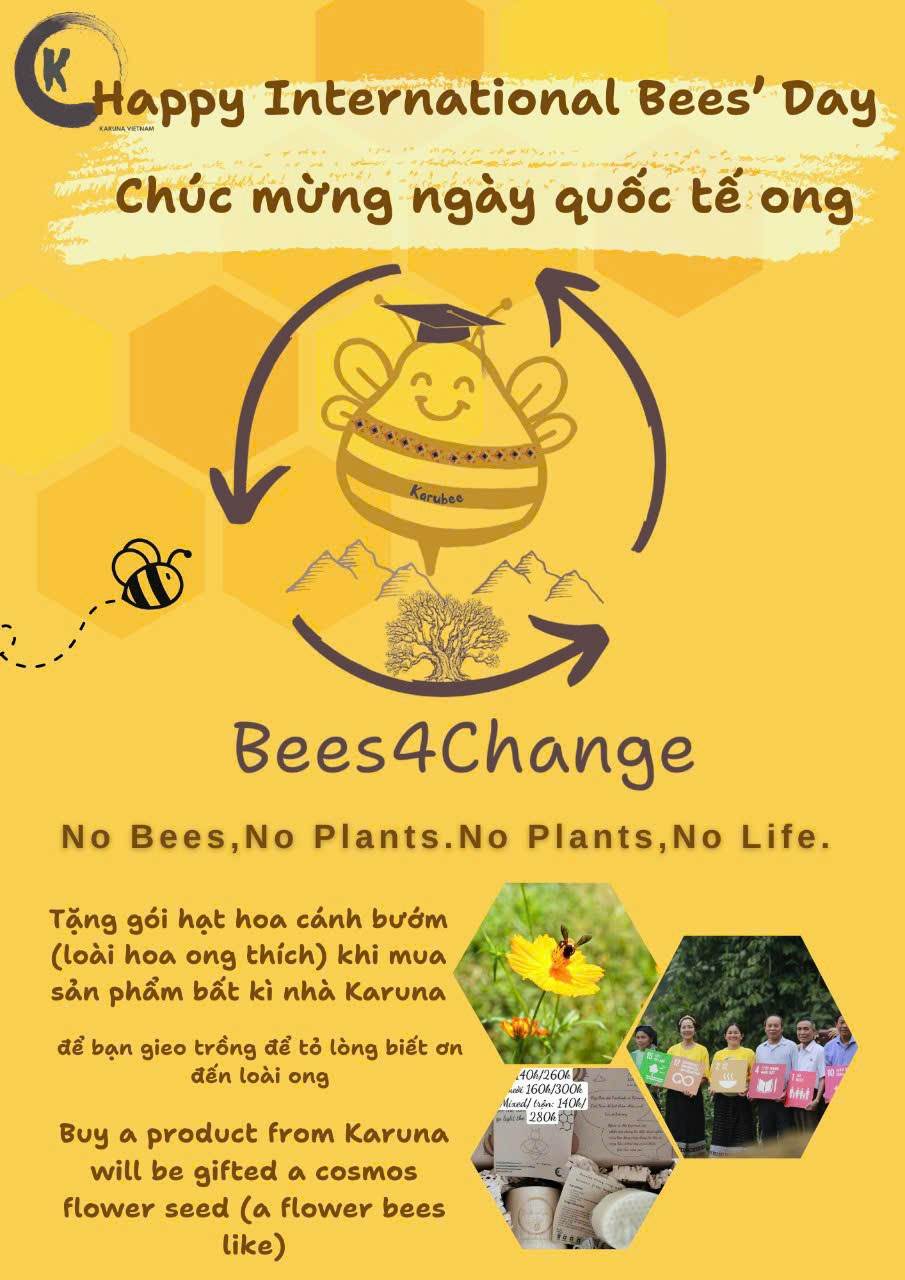
Karuna Vietnam is a social enterprise founded in the highlands of Thanh Hoa Province, Vietnam. Their mission is to nurture forests, protect wild bees, mitigate climate change and improve education in upland communities like Karubees4Change. Through their work, they show how corporate social responsibility can become a driver of ecological and social regeneration.
Why Corporate Social Responsibility Matters

Corporate social responsibility means companies going beyond compliance and profit—to act with awareness of their impact on society and environment. In Vietnam, the CSR movement is growing, and its most effective expressions link business activity with sustainable development goals, community empowerment and biodiversity protection.
When a business engages in CSR, it has the potential to shift culture, change markets and support impactful initiatives—rather than simply making a donation. In the case of Karuna’s work with bees and forests, CSR becomes a concrete bridge between corporate values and long-term ecological health.
CSR Vietnam Supporting Karuna’s Eco-Bee Philosophy
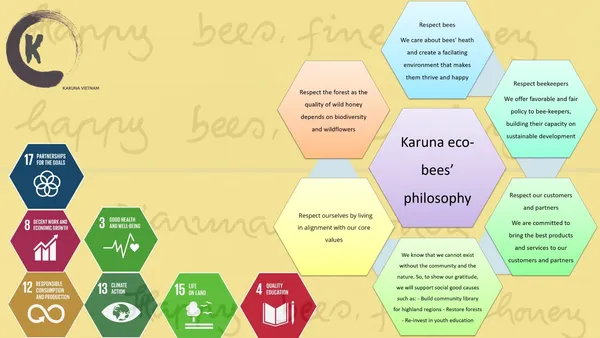
At the heart of Karuna’s work lies the Karuna eco-bee philosophy, which emphasises respect for forests, bees, bee-keepers, customers and self. They recognise that wild honey quality depends on intact forests and healthy bee ecosystems, and that protecting bees goes hand in hand with protecting forests.
For companies engaging in CSR Vietnam, aligning with Karuna’s philosophy offers more than product support—it offers a partnership in an ethical ecosystem: one where supporting bee health means supporting the forest and local communities.
Corporate Social Responsibility and Karuna’s Educational Bee Farms
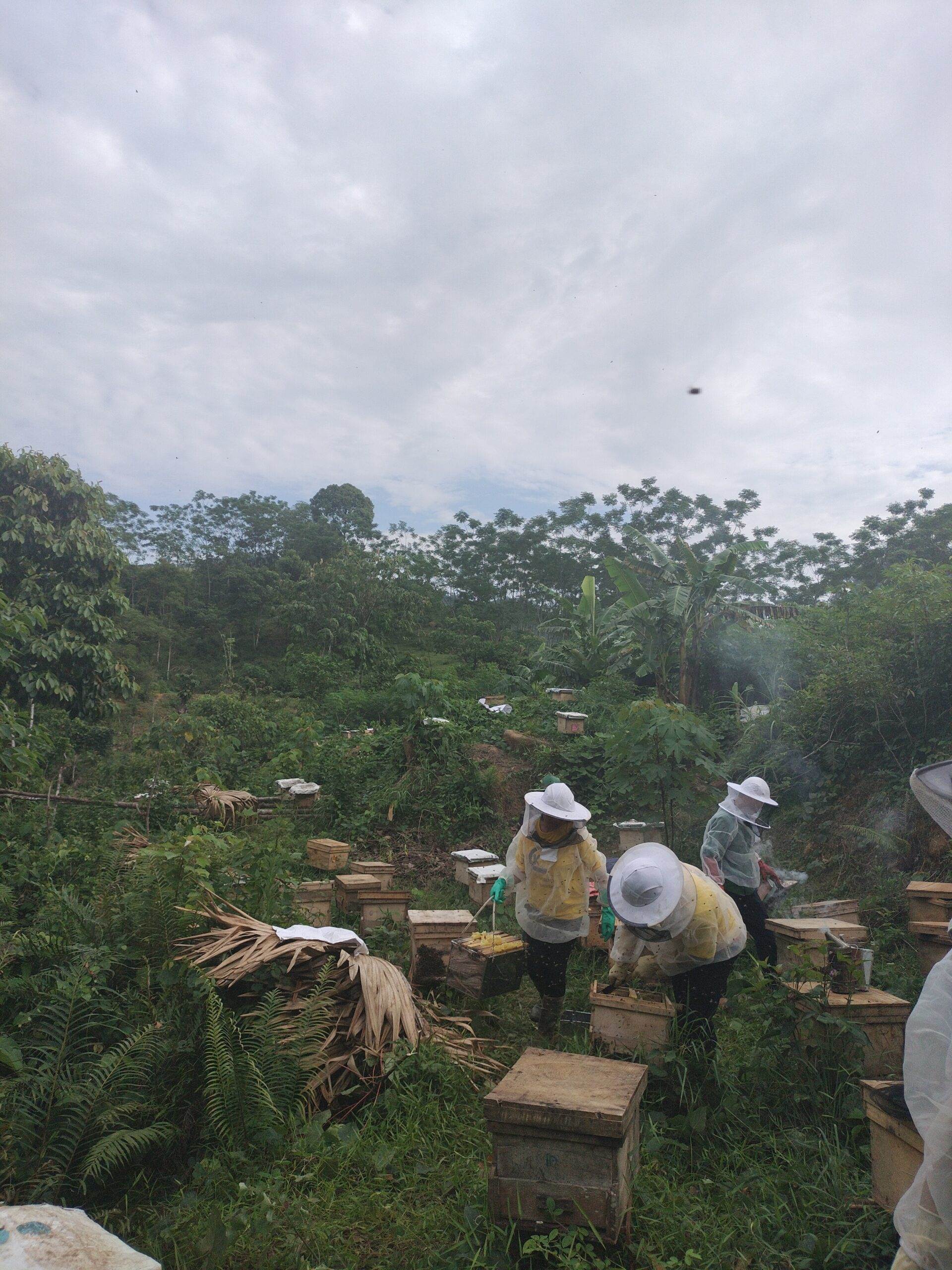
Karuna’s model includes establishing educational bee farms in highland areas (e.g., Bat Mot Commune, Thuong Xuân District, Thanh Hoa). These farms combine sustainable beekeeping, forest-based habitat protection and community training—especially for ethnic minority groups living in remote forest regions.
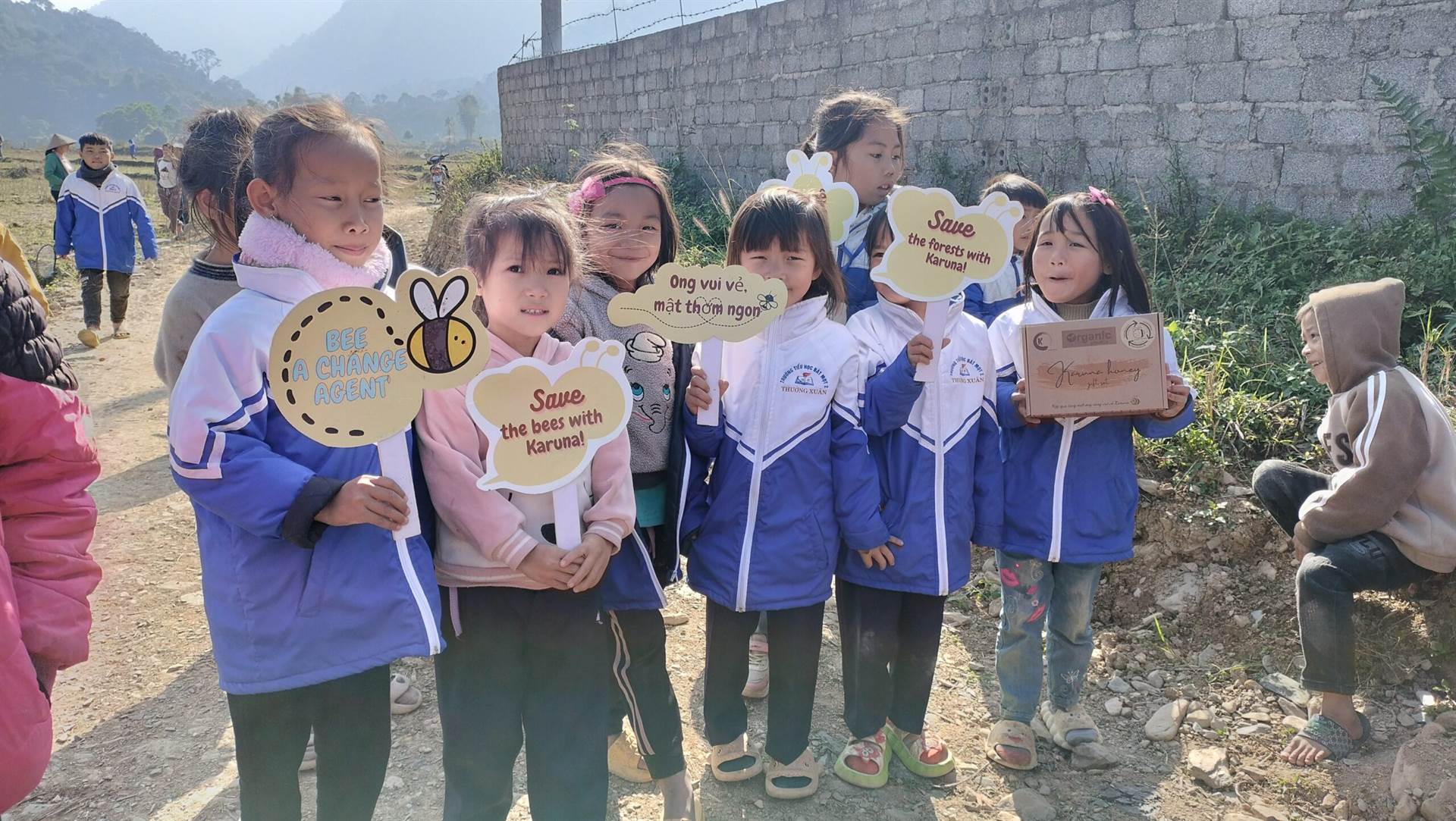
Through CSR partnerships, businesses can help fund these programmes, support training of local bee-keepers, and promote environmental education (children and communities) in previously underserved regions. This creates a long-term impact: empowered communities, protected forests, healthier ecosystems.
CSR Partnerships That Amplify Karuna’s Impact

The social enterprise’s mission is clear: produce high-quality bee-related products, restore ecosystems, and build forest-based livelihoods. With CSR collaboration, companies can extend Karuna’s impact—helping scale programmes for wild bee hive placement in primary forest zones, forest regeneration, and sustainable honey harvesting.
This kind of CSR ties business value (e.g., ethical sourcing, brand story, supply chain integrity) to social and environmental value. By supporting Karuna’s work, businesses help protect biodiversity and create income alternatives for remote forest communities thereby reducing deforestation pressure.
Adopt a Beehive – A Meaningful CSR Initiative
Karuna offers programmes like “Adopt a Beehive” (or similar) where individuals or organisations support wild bee colonies in forest regions. For CSR Vietnam, this is an especially effective model: it is tangible, traceable, and connects to conservation outcomes.
When companies support adopting beehives, they are:
-
Protecting wild bee habitat in forest zones
-
Helping local villagers receive training and secure stable livelihoods
-
Promoting ethical bee-keeping and forest-friendly practices
-
Linking their brand to a meaningful environmental story
This program provides a clear CSR value proposition: you’re not just donating—you’re partnering in forest conservation and community development.
How Corporate Social Responsibility Creates Long-Term Eco Balance
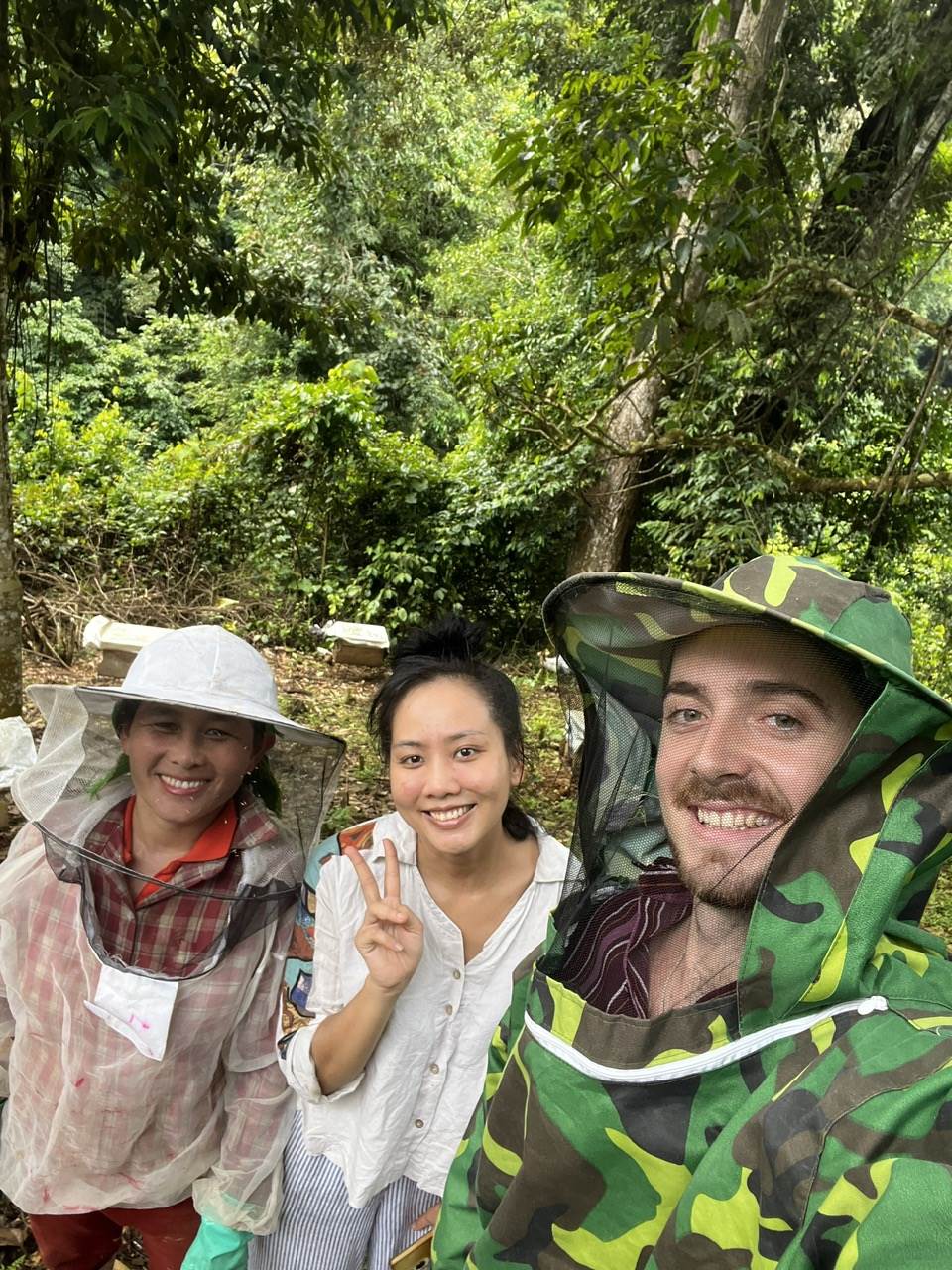
CSR ideally supports long-term ecological balance, not just short-term initiatives. Karuna’s approach demonstrates this: protecting wild bees, restoring forest ecosystems, supporting highland education and sustainable livelihoods.
In doing so, businesses who engage in CSR through Karuna’s projects help:
-
Preserve primary or near-primary forests in Vietnam’s highlands
-
Maintain biodiversity and pollination services which support forest regeneration
-
Offer alternative incomes to communities living in forest-edge regions, reducing destructive forest practices
-
Support education and capacity building for future stewardship
This is responsible corporate behaviour: aligning business resources with the health of nature, people and long-term sustainability.
Conclusion
Corporate social responsibility is not simply a label—it is a commitment to partnering with transformational initiatives. Through alignment with Karuna Vietnam’s green enterprises, companies in CSR Vietnam can convert their CSR budgets into measurable ecological and social results.
By supporting bee-forest projects, education in highland communities and sustainable livelihoods, businesses help restore ecosystems, empower people, and build a future where nature and humanity thrive together. Together, let us build a future shaped by corporate social responsibility, guided by nature, compassion and sustainable development.