- Home/
- Buy Doxycycline in Online Pharmacy in the United Kingdom
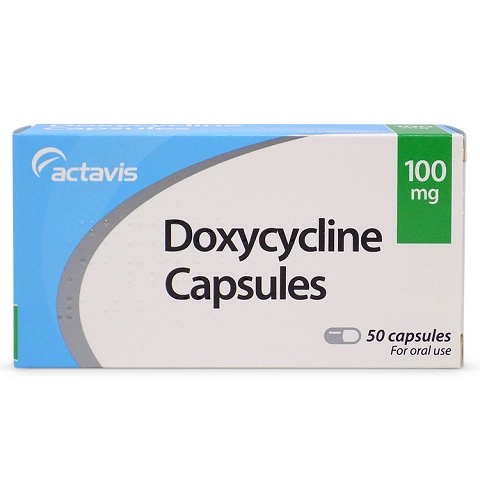
Doxycycline in the United Kingdom: The Ultimate Patient & Clinician Guide 2026
Can I buy Doxycycline without a prescription in the UK?
No, Doxycycline cannot be bought without a prescription in the United Kingdom. All forms of Doxycycline are classified as prescription-only medicines (POM) by the Medicines and Healthcare products Regulatory Agency (MHRA). Obtaining Doxycycline without a valid prescription from a UK-registered healthcare professional is both illegal and unsafe. Buying Doxycycline online from unregulated sources carries a high risk of counterfeit products and legal penalties.
Key Facts about Doxycycline (Quick Reference)
| Parameter | Value (UK, 2026) |
|---|---|
| Active Ingredient | Doxycycline (as doxycycline hyclate/monohydrate) |
| Main Use | Antibiotic for bacterial infections (e.g., respiratory, urogenital, skin, Lyme disease, malaria prevention) |
| Prescription Required? | Yes, always |
| Typical Adult Dose | 100 mg once or twice daily (varies by condition) |
| Forms Available | Capsules, tablets, dispersible tablets |
| Common Side Effects | Digestive upset, photosensitivity, headache |
| Buying Doxycycline Online | Legal only via UK-registered pharmacies with a valid prescription |
How does Doxycycline work in the body?
Doxycycline is a broad-spectrum antibiotic that belongs to the tetracycline class. Its primary action is to inhibit bacterial protein synthesis by binding to the 30S ribosomal subunit. This prevents bacteria from producing proteins essential for their growth and replication, leading to their gradual death or suppression.
In simple terms: Doxycycline stops bacteria from “building the tools” they need to survive, effectively starving them.
- Works against a wide range of bacteria including Chlamydia, Mycoplasma, Rickettsia, and some protozoa.
- Does not directly kill viruses or fungi.
Doxycycline does not require activation by other substances in your body and begins to work soon after absorption. However, certain conditions such as stomach pH and food intake can affect how much is absorbed into the bloodstream. Its action is independent of immune system triggers, but its effectiveness depends on regular dosing and completion of the course.
How do I take Doxycycline? Dosage and administration in the UK
| Indication | Starting Dose (Adult) | Duration | Notes |
|---|---|---|---|
| Respiratory Infections | 200 mg day 1, then 100 mg daily | 7–14 days | Adjust for severity |
| Chlamydia/Urogenital | 100 mg twice daily | 7 days (uncomplicated) | Partner treatment may be needed |
| Malaria Prevention | 100 mg daily | Start 1–2 days before travel, continue daily, and 4 weeks after | Not for children under 12 |
| Acne | 50–100 mg daily | 6–12 weeks (review after 12 weeks) | Long-term monitoring required |
Always take Doxycycline with a full glass of water and remain upright for at least 30 minutes to reduce irritation of the oesophagus. Do not exceed your prescribed dose. For most infections, Doxycycline is taken once or twice daily, at the same time each day.
- Maximum recommended daily dose: 200 mg for adults (except in certain severe infections).
- Children under 12: Doxycycline is generally avoided due to effects on teeth and bones.
- Tablet splitting: Only split if the product is scored and your pharmacist/doctor confirms it’s safe.
- Missed dose: Take as soon as you remember unless it’s nearly time for your next dose. Never double up.
Peak effect is typically reached within 2–4 hours post-dose. The full infection response may take several days, depending on the type of infection.
Doxycycline: Food, alcohol, and lifestyle interactions
- Should Doxycycline be taken with food?
- Doxycycline can be taken with or without food, but taking it with a light meal may help reduce stomach upset. Avoid taking with dairy products, as calcium can reduce absorption by up to 30–40%.
- Alcohol and Doxycycline: Are they compatible?
- Alcohol does not directly interact with Doxycycline, but heavy drinking may reduce its effectiveness by inducing liver enzymes, leading to faster clearance. Occasional, moderate alcohol use (1–2 units) is unlikely to cause problems, but discuss with your prescriber.
- What about grapefruit juice?
- No significant interaction has been documented between Doxycycline and grapefruit juice, but avoid excessive intake as a precaution.
- Other medicines and supplements:
-
- Antacids, iron, and some multivitamins can significantly reduce Doxycycline absorption. Take Doxycycline at least 2 hours before or after these products.
- Oral contraceptives: Doxycycline does not reliably reduce their effectiveness, but additional contraceptive measures may be advised for some infections.
| Product | Combine? | Consequence |
|---|---|---|
| Alcohol | With caution | May reduce effectiveness if consumed heavily |
| Milk/Dairy | Avoid together | Lowers absorption by up to 40% |
| Iron/Antacids | Not at same time | Blocks absorption |
| Grapefruit Juice | Generally safe | No significant effect documented |
| Oral Contraceptives | Safe but check with doctor | Rarely may decrease effectiveness; use backup if advised |
Who should not take Doxycycline? Contraindications & cautions
- Absolute Contraindications:
- Allergy to Doxycycline or other tetracycline antibiotics
- Children under 12 years (risk to teeth and bone development)
- Pregnant women after 16 weeks gestation (risk of fetal harm)
- Severe liver failure
- Relative Contraindications (use only if benefits outweigh risks):
- Pregnancy (first 16 weeks): Only if no safer alternatives available
- Breastfeeding: Doxycycline passes into breast milk; temporary discontinuation of breastfeeding may be advised
- Mild to moderate liver or kidney impairment: Dose adjustment may be needed
- Lupus or Myasthenia Gravis: May worsen symptoms
- Drug Interactions:
- Retinoids (isotretinoin, acitretin): Increased risk of brain swelling
- Warfarin and other anticoagulants: May increase bleeding risk
Doxycycline is not recommended within 2–3 weeks following a severe allergic reaction (anaphylaxis) to any antibiotic. If you have recently recovered from severe liver disease, consult your doctor before use.
Why are these restrictions in place? Doxycycline can interfere with bone and tooth development in children and unborn babies. In those with liver or kidney problems, the drug may accumulate, increasing the risk of toxicity.
What side effects are most common with Doxycycline?
Like all medications, Doxycycline can cause side effects, but not everyone experiences them. The following classification is based on frequency, according to World Health Organization standards and UK clinical data (2026):
- Very Common (>1/10): Nausea, diarrhoea, abdominal discomfort, photosensitivity (rash or sunburn reaction)
- Common (1/100–1/10): Headache, vomiting, loss of appetite, heartburn, yeast infections (especially in women)
- Rare (1/1000–1/100): Joint pain, increased liver enzymes, blood disorders, blurred vision
- Very Rare (<1/10,000): Severe allergic reactions (anaphylaxis), severe skin reactions (Stevens-Johnson syndrome), intracranial hypertension (especially with retinoids)
Mechanism of side effects: Gastrointestinal effects are due to irritation of the stomach and intestines. The photosensitivity reaction occurs because Doxycycline makes your skin more sensitive to sunlight, increasing the risk of sunburn even with normal exposure.
- Mild: Continue treatment but inform your doctor if persistent.
- Severe (e.g., rash, swelling, difficulty breathing): Stop medication and seek emergency help immediately (call 999).
- If you develop severe headache or visual disturbances: Contact your doctor urgently.
Serious side effects are rare, but prompt action is critical if they occur.
Doxycycline compared to other antibiotics: How does it measure up?
| Feature | Doxycycline | Amoxicillin | Clarithromycin |
|---|---|---|---|
| Prescription required (UK) | Yes | Yes | Yes |
| Spectrum | Broad (bacteria, some protozoa) | Broad, mainly bacteria | Mainly respiratory bacteria |
| Typical adult dose | 100 mg 1–2x daily | 500 mg 3x daily | 250–500 mg 2x daily |
| Common uses | Chest infection, acne, chlamydia, malaria prevention | Chest infection, urinary tract infection, sinusitis | Chest infections, stomach ulcers (with other drugs) |
| Duration | 7–14 days (varies) | 5–10 days (varies) | 7–14 days |
| Common side effects | Stomach upset, sun sensitivity | Rash, diarrhoea | Taste changes, diarrhoea |
| Price (NHS Rx charge, 2026) | £9.65 per item | £9.65 per item | £9.65 per item |
| Can I buy without prescription? | No | No | No |
Bottom line: Doxycycline stands out for its broad spectrum and use in malaria prevention and skin conditions like acne. However, it is not suitable for all types of infection and has unique side effects, such as sun sensitivity, which may not occur with other antibiotics.
Doxycycline at a Glance: Main characteristics table
| Parameter | Value |
|---|---|
| Active Substance | Doxycycline (hyclate/monohydrate) |
| Pharmacological Group | Tetracycline antibiotic |
| Peak Plasma Time | 2–4 hours after oral dose |
| Half-life (T1/2) | 16–24 hours |
| Metabolism | Liver (mainly), with renal and biliary elimination |
| Price in Pharmacy (NHS charge, 2026) | £9.65 per prescription |
| Available as Generic? | Yes (multiple brands) |
| Buy Doxycycline Online? | Legal only with prescription via UK-registered pharmacy |
How to obtain Doxycycline legally in the UK: Step-by-step
- Consultation – Schedule an appointment with your GP, sexual health clinic, or use an NHS-approved telemedicine service. Describe your symptoms and medical history.
- Diagnosis & Prescription – If Doxycycline is appropriate, your doctor will issue a prescription electronically or in paper form.
- Choosing Your Pharmacy – Take your prescription to any regulated community pharmacy or use a CQC-registered online pharmacy in the UK. Only pharmacies displaying the MHRA green cross logo are legally authorised (check here).
- Dispensing – The pharmacist will check your prescription, verify any allergies, and provide Doxycycline with usage instructions.
- Follow-up – Attend any follow-up appointments to monitor response and side effects. Always complete the full course unless instructed otherwise.
Buying Doxycycline online is only legal if the pharmacy is UK-registered and you have a valid prescription. Any site offering Doxycycline without a prescription is illegal and unsafe.
Is it legal to buy Doxycycline online in the UK?
It is only legal to buy Doxycycline online in the UK if you have a valid prescription from a UK-registered prescriber and use a pharmacy registered with the General Pharmaceutical Council (GPhC) or with a visible MHRA green cross logo. Ordering Doxycycline without prescription, especially from non-UK or “grey market” websites, is illegal and exposes you to counterfeit medicines and customs seizure.
- How to check legitimacy:
- Pharmacy website must display the MHRA green cross (EU common logo until 2025, now replaced in the UK).
- GPhC registration number should be visible and verifiable (verify here).
- Contact details and a UK address must be provided.
- Risks of ordering Doxycycline online without prescription:
- Fake or substandard products (counterfeit risk)
- No professional pharmacy check, risking allergic reactions or dangerous interactions
- Legal consequences, including confiscation and prosecution
Spotting counterfeit Doxycycline in the UK: What to check
- Check the packaging: Genuine Doxycycline in the UK always comes in sealed blisters or bottles with a patient information leaflet (PIL) carrying the MHRA logo.
- Look for a batch number, expiry date, and manufacturer details. Counterfeit products often have misprints, blurry text, or inconsistent colours.
- Check for a QR code or hologram (present on many brands post-2025)—scanning should link to official verification, not a generic website.
- Be wary of Doxycycline that is unusually cheap or offered without a prescription, especially on non-UK websites.
- Original tablets or capsules are typically yellow to light greenish in colour, with clear embossing or scoring (see the PIL for your specific brand).
If in doubt, consult your pharmacist before taking the medicine. If you believe you have received a counterfeit product, report it to the MHRA Yellow Card Scheme (report here).
Original vs generic Doxycycline: What’s the difference?
Doxycycline is now widely available as a generic in the UK, with the original brand (Vibramycin) off-patent. Generics must, by law, contain the same active ingredient, strength, and meet the same quality standards as the original.
| Aspect | Original (e.g. Vibramycin) | Generic |
|---|---|---|
| Active ingredient | Doxycycline | Doxycycline |
| Price | Usually higher | More affordable |
| Excipients (fillers) | Proprietary, may differ | May vary by brand |
| Allergy risk | Low, but possible if sensitive to fillers | Check leaflet for excipients if you have known allergies |
| Availability in UK pharmacy | Limited, usually generic dispensed | Widely available |
In short: There is no clinical difference in effectiveness between original and generic Doxycycline in the UK, provided you use a licensed pharmacy. Generics offer a more affordable option, but always check the ingredient list if you have allergies.
Doxycycline for special patient groups
- Elderly patients: Generally require no dose adjustment, but careful monitoring is recommended as kidney and liver function may decline with age.
- Pregnancy and breastfeeding: Avoid unless absolutely necessary due to risks to the baby’s teeth and bones. Consult an obstetrician before use.
- Children under 12 years: Not recommended due to risk of permanent tooth discolouration and effects on bone growth.
- Liver and kidney disease: Dose reduction may be required. Doxycycline is mainly metabolised by the liver.
- Driving and machinery use: Doxycycline does not typically impair alertness, but if you experience dizziness or visual changes, avoid these activities.
- Fertility: No evidence that Doxycycline affects fertility in men or women, based on current clinical data.
- Psychological support: It’s common to feel anxious about antibiotic use or infection. Discuss your concerns with your prescriber or pharmacist—support is available.
What should I do in case of Doxycycline overdose?
- Stop taking Doxycycline immediately.
- Call NHS 111 or 999 (in life-threatening situations) or go to your nearest A&E department in the UK.
- Inform the healthcare professional of the exact amount taken, the time, and any symptoms you are experiencing (nausea, vomiting, confusion, seizures).
- Do not try to induce vomiting or treat the overdose yourself.
- Bring the medicine packaging with you for identification.
Symptoms of overdose can include severe nausea, vomiting, loss of appetite, confusion, or seizures. Prompt medical attention is critical.
Frequently Asked Questions about Doxycycline in the UK
- Can I buy Doxycycline without prescription in UK?
- No, it is illegal to buy Doxycycline without prescription in the UK. Pharmacies and legitimate online providers always require a prescription.
- What is the price for Doxycycline in pharmacy?
- The standard NHS prescription charge applies—£9.65 as of 2026. Private prescriptions may vary; generics are typically the most affordable.
- Is it safe to order Doxycycline online?
- It is only safe if the online provider is registered with the GPhC/MHRA and requires a UK-issued prescription. Avoid unregulated sites offering Doxycycline without prescription.
- What happens if I miss a dose?
- Take the missed dose as soon as you remember, unless it’s close to your next scheduled dose. Do not double up. Complete the full course.
- Can I purchase Doxycycline for malaria prevention?
- Yes, but only after consultation and prescription from a travel clinic, GP, or pharmacist trained in travel medicine. Never self-treat for malaria.
- What are the most common side effects?
- Digestive upset and increased sun sensitivity. Rarely, allergic reactions or liver issues.
- Can I take Doxycycline with other antibiotics?
- Sometimes, but only if advised by a clinician. Some combinations are avoided due to increased toxicity or reduced effectiveness.
- Can I get Doxycycline cheap in the UK?
- Affordable generic versions are available via NHS and community pharmacies, but price differences are minimal due to NHS regulation.
- Does Doxycycline affect contraception?
- Very rarely, but consult your doctor. Additional precautions may be advised for some infections.
References
- UK Medicines and Healthcare products Regulatory Agency (MHRA), “Doxycycline: Summary of Product Characteristics,” 2026. Read full SPC
- National Institute for Health and Care Excellence (NICE), “Doxycycline for infection,” 2025. NICE guidance
- British National Formulary (BNF), “Doxycycline,” accessed June 2026. BNF entry
- NHS, “Antibiotics: Doxycycline,” 2026. NHS factsheet
- European Medicines Agency (EMA), “Assessment report: Doxycycline,” 2024. EMA assessment
- Chotirmall SH et al., “Clinical Applications of Doxycycline: A Review,” Antibiotics, 2024. PubMed
- MHRA, “How to spot fake medicines,” 2026. MHRA guidance