- Home/
- Buy Antabuse in Online Pharmacy in the United Kingdom Today
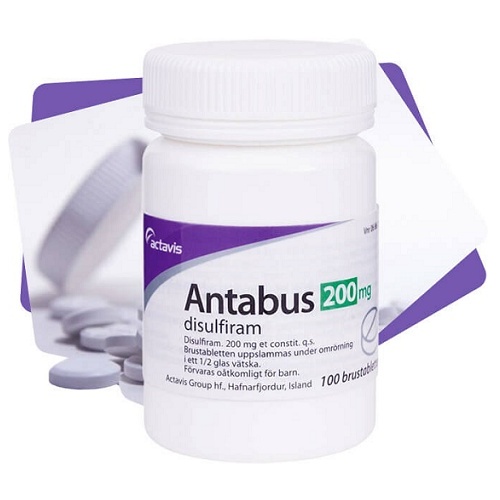
Antabuse (Disulfiram) is a prescription medication used to support sobriety by making you feel physically ill if you drink alcohol. It treats Alcohol Dependence by changing how your body processes alcohol — not by reducing cravings. Before you consider Antabuse, you need to know that drinking even a small amount of alcohol while on it can cause a severe reaction.
Is Antabuse Right For Me in United Kingdom?
Imagine this: you’ve tried to stop drinking before, maybe more than once. Each attempt, well-intentioned, fell apart when willpower ran thin or stress crept in. You want a medication that makes relapse harder, something that puts immediate consequences between you and taking that next drink. That’s the promise — and the challenge — of Antabuse in United Kingdom.
Antabuse isn’t like most medications for Alcohol Dependence. It doesn’t take away cravings. It doesn’t “fix” the urge. Instead, it makes drinking feel so unpleasant, so quickly, that the thought of alcohol becomes something to avoid. For some, that’s exactly the intervention needed: a powerful deterrent that changes the calculation in the moment of temptation. For others, it’s a rigid tool that can backfire if not handled carefully with support.
This section is about the decision itself: is Antabuse suitable for your situation, in the real world of United Kingdom’s NHS, pharmacies, and alcohol culture? The answer depends on your drinking patterns, your motivation, and the support you have around you. For many, it’s not the first medication tried — but for some, it’s the one that finally makes sobriety stick.
- If you need a safety net — something that makes drinking physically punishing — Antabuse may fit.
- If you’re looking for a medication to manage cravings or reduce drinking gradually, other options might be better.
- If you want to buy Antabuse online or order Antabuse in United Kingdom, you’ll need a prescription from a qualified doctor. “Antabuse without prescription” is not legal or safe in the UK.
The Antabuse Experience: What Patients in United Kingdom Should Expect
Most people come to Antabuse after other attempts to quit — and almost everyone has questions about what it feels like to take it. In the UK, patients often want to know: Will it change how I feel day to day? Will I constantly worry about accidentally drinking? What if I slip?
Here’s the honest answer: when you take Antabuse and stay away from alcohol, you’ll likely feel no different than usual. No high, no sedation, no mood change. But if you drink alcohol — even a small amount, even in cough syrup or food — the reaction is fast and unmistakable: flushing, pounding headache, nausea, vomiting, chest pain, anxiety, and sometimes difficulty breathing. These effects can happen within 10 minutes and may last several hours.
- Antabuse Reaction
- A severe physical response triggered by alcohol when taking Disulfiram. Symptoms range from mild discomfort to serious cardiovascular effects.
People in United Kingdom sometimes underestimate how sensitive Antabuse makes them to hidden alcohol. Even perfumes, mouthwashes, or hand sanitisers can trigger a reaction. That’s why NHS staff and pharmacists will spend significant time reviewing your lifestyle and risk factors before prescribing.
- Most patients do not feel any daily side effects if they avoid alcohol.
- Some experience a metallic taste or mild tiredness, especially early on.
- The social impact — refusing drinks, explaining your medication — can be as significant as any physical effect.
Antabuse won’t solve the root issues behind Alcohol Dependence, but for some, it provides just enough of a barrier to help break the cycle. It’s not a one-size-fits-all solution — and it’s never meant to be taken without medical supervision.
How Antabuse Works: Different From Any Other Alcohol Dependence Medication
Disulfiram, the active ingredient in Antabuse, takes an approach that’s almost unique in medicine: it uses your body’s own chemistry to create a powerful deterrent.
Here’s how: under normal circumstances, your liver breaks down alcohol in two main steps. Disulfiram blocks the second step, causing a rapid build-up of acetaldehyde — a toxic intermediate that triggers the infamous “Antabuse reaction”. Unlike medications such as acamprosate or naltrexone, Antabuse does not touch craving or reward pathways. Instead, it raises the stakes of drinking so high that most people think twice before taking a sip.
- Disulfiram’s deterrent effect only works if you genuinely want to avoid drinking. It’s not a punishment, but a commitment device.
- Other medications may help with cravings, but none create physical consequences for drinking like Antabuse does.
- In United Kingdom practice, Antabuse is often used when psychosocial interventions alone have not worked, or when a high-risk relapse is anticipated.
Some patients in United Kingdom mistakenly believe Antabuse will “make them not want to drink”. The reality: it changes what happens if you do, not what you want. This difference is absolutely crucial for understanding success and disappointment with Disulfiram-based therapy.
Antabuse vs. Alternatives in Alcohol Dependence: A Real-World Comparison
| Attribute | Antabuse (Disulfiram) | Acamprosate | Naltrexone |
|---|---|---|---|
| How it works | Blocks alcohol breakdown, causing severe illness if alcohol is consumed | Modulates brain chemistry to reduce cravings | Blocks reward response to alcohol, reducing pleasure from drinking |
| Onset of effect | Within 12 hours; lasts up to 7 days after last dose | Gradual (days to weeks) | After first dose; effect persists while taking |
| Daily experience | No effect unless alcohol is consumed | No effect unless cravings present; generally well tolerated | Some may feel less urge to drink; occasional nausea |
| Biggest risk | Severe alcohol reaction; liver toxicity | Diarrhoea; kidney issues in rare cases | Liver toxicity; mood changes; may interact with opioids |
| Who should not use | Liver disease, heart disease, pregnancy | Severe kidney impairment | Opioid users; liver failure |
| Prescription status in UK | Prescription only | Prescription only | Prescription only |
| Cost/reimbursement | Available on NHS; affordable private cost | Available on NHS | Available on NHS |
| Monitoring required | Liver function, adherence checks | Renal function (if impaired) | Liver function, opioid status |
What does this comparison mean for you as a patient in United Kingdom? Antabuse stands apart because it puts immediate, physical consequences in place if alcohol is consumed — but it does not help with cravings or urges. Acamprosate and naltrexone, by contrast, work best for people struggling to resist cravings, but don’t trigger a physical response to drinking. In NHS clinical guidelines, Antabuse is often considered for people who have engaged with therapy but need an extra barrier to relapse, while the others may be first-line for different patient profiles.
Taking Antabuse in Daily Life: Dosage, Tips, and Practicalities
The day you start Antabuse is different from the day you start most medications. You need to have stopped drinking for at least 24 hours (ideally 48) before your first dose. Your doctor or clinic will confirm this with you — sometimes even with a breathalyser.
Dosing is straightforward: most adults in United Kingdom are started on 200mg once daily, taken in the morning. Some may start at a lower dose to check tolerance. The aim is to use the lowest effective dose for long-term support.
| Patient | Starting Dose | Maintenance Dose | Notes |
|---|---|---|---|
| Adult (typical) | 200-500mg once daily | 100-200mg once daily | Adjusted to minimum effective dose |
| Elderly | Lower end of range | As above | Monitor for side effects |
| Impaired liver/kidney | Specialist advice | Specialist advice | May be contraindicated |
Always swallow Antabuse tablets whole with water, never crushing them. Take at the same time each day to build a habit. Missing a dose? Take it as soon as you remember — unless it’s close to your next scheduled dose. Never double up.
- Keep a list of products that contain hidden alcohol (see NHS or your pharmacist for the most up-to-date list).
- If you’re travelling or eating out, ask about ingredients that could contain alcohol.
- Your pharmacist can advise on buying Antabuse cheap or finding affordable options for long-term use.
Which Side Effects Matter Most with Antabuse — and When to Act
Most Antabuse side effects are mild and resolve with time, but a few can be serious and require urgent attention. The reaction that gets everyone’s attention — the Antabuse-alcohol interaction — is intended, but sometimes it can be more dangerous than expected.
Common non-alcohol-related side effects include tiredness, mild headache, and a metallic or garlic-like aftertaste in the mouth. These usually fade after a few weeks. Some people develop skin rashes or mild gastrointestinal symptoms. If these persist or get worse, your GP or pharmacist should review your regimen.
| Side Effect | Frequency | When to Contact a Doctor |
|---|---|---|
| Antabuse-alcohol reaction | Very common if alcohol is consumed | Severe symptoms (chest pain, breathing difficulty, collapse) |
| Metallic taste | Common | If persistent and worsens or affects eating |
| Skin rash | Uncommon | If extensive or with swelling/fever |
| Liver problems | Rare | Jaundice, abdominal pain, dark urine |
| Mood changes | Uncommon | Severe anxiety, depression, suicidal thoughts |
In the words of a specialist in Alcohol Dependence in United Kingdom:
“We see the best results with Antabuse when patients understand that it’s not just about willpower — it’s about building a buffer against relapse. But every patient is different, and not everyone tolerates Disulfiram well. If you develop unexpected mood changes or signs of liver trouble, we want to know early. Don’t wait for things to get worse.”
When NOT to Take Antabuse: Who Should Avoid It
Absolute Contraindications
- Active or chronic liver disease: Antabuse is processed in the liver. Any impairment raises risk of severe toxicity.
- Severe cardiac disease: The physical stress of a reaction can endanger heart health.
- Psychosis or severe mental illness: Disulfiram may worsen psychiatric conditions.
- Pregnancy or breastfeeding: Not recommended due to risk to the baby.
- Known allergy to Disulfiram or excipients.
Relative Contraindications (Require Clinical Judgement)
- Mild hepatic or renal impairment: Use with caution; regular monitoring essential.
- Elderly patients: Increased risk of side effects; start at a lower dose and monitor closely.
- History of impulsive overdose or self-harm: Antabuse can be dangerous if misused with intent.
Antabuse is not a medication to “just try”. In United Kingdom, your doctor will screen for these risks before prescribing. If your personal or family history includes any of the above, be open with your care team. These are not bureaucratic hurdles; they are safety checks built around years of clinical experience with Disulfiram.
Accessing Antabuse in United Kingdom: Buying, Ordering, and Cost
Buying Antabuse in United Kingdom is straightforward — if you have a prescription. The medication is not available over the counter, and “Antabuse without prescription” is illegal and potentially dangerous. You can’t simply buy Antabuse online from reputable UK pharmacies without a valid script, and any website offering to ship Antabuse without prescription should be treated as suspicious.
- Prescription: Required. Usually from your GP, addiction specialist, or NHS alcohol service.
- Antabuse in pharmacy: Most community pharmacies will stock Disulfiram or can order it for next-day delivery if supplied with a prescription.
- Order Antabuse: Your pharmacy may offer a repeat prescription service so you can order Antabuse and collect it regularly.
- Purchase Antabuse: The cost is typically covered by the NHS if prescribed as part of your alcohol treatment plan.
- Antabuse online: Some registered UK online pharmacies can dispense Antabuse, but a prescription is always required.
If you are paying privately, Antabuse is generally affordable — often under £30 for a month’s supply. Pharmacists can advise on buying Antabuse cheap if your insurance or the NHS won’t cover it, though this is uncommon. Always check the source: genuine Antabuse in United Kingdom is regulated by the MHRA (Medicines and Healthcare products Regulatory Agency). Counterfeit or imported versions can be unsafe.
Bottom line: “Antabuse without prescription” is a risk not worth taking. Safe access is always through a UK doctor and regulated pharmacy.
FAQs about Antabuse in United Kingdom
- Can I buy Antabuse in United Kingdom without a prescription?
- No. It’s illegal and unsafe to buy Antabuse without prescription in the UK. Any website or vendor offering this should be avoided. Always use an NHS or CQC-registered pharmacy.
- How do I order Antabuse online safely?
- Only order Antabuse online from UK-registered online pharmacies, and only with a valid prescription. Genuine Antabuse will require a consultation, either in person or via a regulated telemedicine service.
- Is Antabuse available in my local pharmacy?
- Yes, most community pharmacies in United Kingdom can provide Antabuse with a prescription. If it’s not in stock, it can usually be ordered for next-day collection.
- Is there a way to purchase Antabuse cheap or more affordably?
- On the NHS, Antabuse is covered for most patients. If you pay privately, ask your pharmacist about generic Disulfiram or price-matching schemes for affordable options.
- What happens if I accidentally consume alcohol while taking Antabuse?
- You may experience a severe reaction — flushing, headache, vomiting, chest pain, and more. Seek medical help immediately if symptoms are intense or you feel unwell. Don’t wait it out at home if symptoms are severe.
- How long after stopping Antabuse am I safe to drink alcohol?
- The effects of Disulfiram can last up to 7 days after your last dose. NHS experts recommend waiting at least a week before consuming alcohol to avoid a delayed reaction.
- Is Antabuse right for everyone with Alcohol Dependence?
- No. Antabuse is only suitable for those committed to abstinence and without certain medical conditions. It’s not appropriate for people with liver disease, severe heart issues, or psychiatric instability. Other medication options may be safer or more effective depending on your circumstances.
- Can Antabuse be combined with counselling or other medications?
- Yes — in fact, it works best alongside psychological support or structured therapy. Some UK clinics use Antabuse in combination with acamprosate or naltrexone, but only under close medical supervision due to interaction risks.
References
- Alcohol-use disorders: diagnosis, assessment and management of harmful drinking and alcohol dependence. NICE Guideline CG115, National Institute for Health and Care Excellence, 2011 (updated 2023).
- Alcohol misuse: Treatment, NHS
- Medicines and Healthcare products Regulatory Agency (MHRA), UK Government
- European Medicines Agency (EMA)
- Antabuse (Disulfiram) Summary of Product Characteristics, electronic Medicines Compendium
- NHS Prescription Charges, NHS
- Alcohol dependence: The NICE Guideline on Diagnosis and Management, National Clinical Practice Guideline Number 115, British Psychological Society and Royal College of Psychiatrists, 2011.
- PubMed (for clinical studies on Disulfiram in Alcohol Dependence)