- Home/
- Buy Priligy Without Prescription in the United Kingdom Online
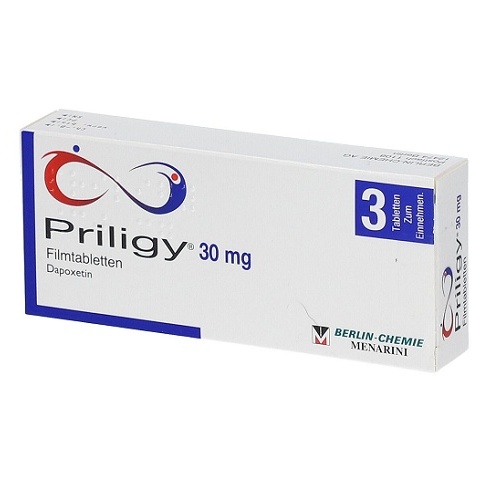
Priligy: A Window Into Confidence, Not a Cure
There’s a particular sort of frustration that leads men in the UK to ask about Priligy for the first time. It’s not just the act itself, cut short by seconds. It’s the rituals that build around it: avoiding intimacy, dreading the question, fearing disappointment. In this landscape of silent worry, Priligy arrives not as a sweeping fix, but as a tool—a way to reclaim a sense of control for a few crucial hours.
This is not a daily pill. Dapoxetine, the active ingredient in Priligy, is unique among treatments for premature ejaculation—taken only as needed, before sex, with its effects washing in and out of your system within a day. For many, that’s both its promise and its limit. The experience is about timing: you choose the moment, you plan ahead, and for that window, the odds shift in your favour.
For men in the UK, the reality is this: Priligy can reliably extend the time before ejaculation—often by two to three times, according to clinical trials (NHS). But it does not transform sexual stamina overnight, nor does it solve the underlying causes—whether psychological, relational, or biological. If you expect a cure, you will be disappointed. If you’re looking for a practical, on-demand solution while you work on deeper issues (or when other treatments haven’t worked), Priligy can be the bridge you need.
How Priligy Actually Works in Real Life
Most men reach for solutions that promise to slow things down, but few pause to ask exactly how that should happen—and why Priligy’s method stands out. Dapoxetine is not your standard antidepressant, even though it belongs to the SSRI family. What sets it apart is speed: you take it 1–3 hours before sex, rather than every day, and its peak effect aligns with when it’s needed most.
Mechanistically, dapoxetine works by boosting serotonin levels in key pathways that regulate ejaculation reflexes. Unlike daily SSRIs (like sertraline or paroxetine), its rapid action means you’re less likely to experience ongoing side effects—and less likely to suffer withdrawal if you stop. But there’s a trade-off: the window is narrow. Miss the timing, and you may miss the benefit entirely.
- SSRI
- Selective Serotonin Reuptake Inhibitor—a type of medication that increases serotonin in the brain. Most SSRIs are used for depression, but dapoxetine is designed specifically for PE.
- On-demand use
- Taken only before sex, not every day.
What does this mean in practice? You need to anticipate sex, plan your dose, and remember that Priligy’s effect fades within 24 hours. This is not a medication for spontaneous encounters, nor is it an answer for men whose PE is rooted in deep anxiety or relationship distress. But for those whose main struggle is timing, and who want a medication that leaves no trace the next day, dapoxetine’s design makes sense.
Does Priligy Really Make a Difference? (Comparison Table)
| Attribute | Priligy (Dapoxetine) | Paroxetine (off-label) | Topical Anaesthetics |
|---|---|---|---|
| Active Ingredient | Dapoxetine | Paroxetine (SSRI) | Lidocaine/prilocaine |
| Prescription in UK | Yes, licensed for PE | Yes, off-label | No (OTC), but less effective |
| How It’s Used | 1–3 hrs before sex, as needed | Daily tablet | Applied to penis before sex |
| Onset/Duration | 1–3 hrs onset, lasts ~4–6 hrs | Daily use, effect after 1–2 weeks | 20–30 mins onset, lasts 1–2 hrs |
| Effectiveness (avg. increase in time) | 2–3x baseline | 2–4x baseline | 2–3x baseline |
| Common Side Effects | Nausea, headache, dizziness | Sexual dysfunction, drowsiness | Numbness, loss of sensation |
| Withdrawal Risk | Minimal | Yes, with abrupt stop | None |
| Cost (approx.) | £3–£6 per tablet (not NHS funded) | £4–£8/month (NHS generic) | £5–£10 per tube (OTC) |
| Ease of Access | Rx via GP, private, or online UK pharmacy | Rx via GP (off-label) | Pharmacy counter |
What stands out for UK patients? Priligy is the only medication actually licensed to treat premature ejaculation on demand. Daily SSRIs like paroxetine may work as well (sometimes better), but aren’t officially approved for this use and come with more long-term side effects and withdrawal concerns. Topical anaesthetics (creams and sprays) are easy to get, but can make sex less satisfying for both partners and often lack the same reliability.
The Routine Before Sex: Taking Priligy Correctly
The best outcomes with Priligy are rarely a fluke. Success comes down to timing, technique, and attention to a few practical details. If you’ve been prescribed this medication in the UK, here’s what to expect from the first dose to the moment it matters most.
- Time it right. Swallow one tablet (usually 30 mg or 60 mg) about 1–3 hours before sex. The sweet spot is different for every man—many find 1.5–2 hours works best.
- Avoid excess alcohol. Drinking with Priligy increases the risk of dizziness and fainting—keep it to a minimum, especially the first few times you try it.
- Stay upright. Priligy can lower your blood pressure. Stand up slowly after taking it and be cautious if you feel lightheaded.
- Don’t use more than once in 24 hours. Increasing the dose won’t improve results and ups the risk of side effects.
- Review other medications. Some antidepressants, migraine treatments, and antibiotics can interact with dapoxetine in ways that are not obvious. Always check with your GP or pharmacist.
| Patient Group | Starting Dose | Max Dose | Notes |
|---|---|---|---|
| Most men (18–64) | 30 mg | 60 mg (if no benefit at 30 mg, after prescriber review) | Take 1–3 hours before sex; not more than once in 24 hours |
| Men 65+ | Not routinely recommended | — | Higher risk of side effects; discuss with GP |
| Kidney/liver impairment | 30 mg with caution | Usually not increased | May require lower dose or alternative; specialist advice needed |
Most UK GPs will start at 30 mg and only move to 60 mg if you see no benefit and tolerate the lower dose well. Age and liver function guide these decisions—there’s no “one-size-fits-all”, though most men fit the standard approach.
Which Side Effects Matter Most with Priligy – and When to Act
All medications come with risks, but the ones you hear about with Priligy often sound scarier than they are. Nausea, headache, and dizziness are the most commonly reported—uncomfortable but usually short-lived. The rare side effects, though, are the ones that make headlines, and they’re what you need to know to stay safe.
“In practice, most men tolerate Priligy well—side effects are usually mild and get better with repeated use. What takes patients by surprise is the fainting risk, especially when standing up quickly or combining Priligy with alcohol. It’s rare, but the first few doses are the most likely time to feel it. If you’ve ever fainted or had low blood pressure, tell your doctor before starting.”
Long-term risks, such as persistent sexual dysfunction, are far more common with daily SSRIs than with as-needed dapoxetine. Unlike antidepressants, stopping Priligy does not cause withdrawal. But don’t ignore new symptoms—especially mood changes, palpitations, or sudden vision loss. If these occur, stop the medication and contact your prescriber.
| Side Effect | How Common? | When to Contact Doctor |
|---|---|---|
| Nausea | Very common (≥10%) | Persistent vomiting or unable to keep fluids down |
| Dizziness | Common (1–10%) | If you faint, blackout, or cannot stand safely |
| Headache | Common (1–10%) | If severe or unrelenting |
| Low mood or anxiety | Uncommon (<1%) | If you notice persistent changes in mood |
| Palpitations or chest pain | Rare | Immediately if chest pain, irregular heartbeat, or breathlessness |
| Vision changes | Very rare | If sudden or severe—stop and seek help |
Summary: Most side effects are manageable and short-lived. The fainting risk is uncommon but deserves respect, especially in the first few doses or with alcohol. Unusual symptoms—especially mood, heart, or vision changes—should prompt contact with a healthcare provider.
Who Should Not Take Priligy? (Warning Block)
- You have significant heart problems—especially arrhythmias, heart failure, or recent heart attack.
- You are taking MAO inhibitors, thioridazine, or other medications that interact dangerously with serotonin (including some antidepressants and migraine treatments).
- You have moderate or severe liver impairment.
- You are under 18 or over 65 years old—safety and effectiveness have not been established.
- You have a history of fainting (syncope) not fully explained or treated.
- You have mild liver impairment—dose adjustment may be needed.
- You have a known bleeding disorder or take anticoagulants—bleeding risk is slightly increased.
- You use other drugs that affect serotonin (e.g., SSRIs, SNRIs, tramadol, triptans).
- You have a history of significant mental health issues, especially bipolar disorder or major depression.
Priligy in the UK: What Access Really Looks Like
Getting Priligy is not as simple as picking up paracetamol from a pharmacy. In the UK, dapoxetine is a prescription-only medicine—licensed specifically for premature ejaculation, but rarely prescribed on the NHS due to funding policies. Most men get Priligy through a private GP, a specialist, or a UK-regulated online pharmacy.
- NHS GP: Priligy is not routinely available on the NHS. Some areas may make exceptions in specific cases, but this is uncommon. If prescribed off-label by an NHS GP, another SSRI is usually chosen.
- Private prescription: The majority of UK patients obtain Priligy through private clinics. Expect to pay for both the consultation and the medication itself.
- Online UK pharmacy: Many reputable online services provide Priligy after a questionnaire and remote review by a UK-registered prescriber. Ensure any online source is regulated by the General Pharmaceutical Council (GPhC).
Why does access work this way? Priligy’s cost and the NHS’s prioritisation of other treatments mean men seeking this option must usually look beyond standard NHS pathways. Be wary of overseas or unregulated online sources, which may sell counterfeit or unsafe products. Always confirm the pharmacy is licensed and based in the UK.
How Long-term Patients See Priligy: A Doctor’s Take
“In my UK practice, I see two main groups who benefit from Priligy. The first: men who’ve tried behavioural techniques and topical creams without success, and want something predictable for key moments—holidays, new partners, rebuilding confidence. The second: men with a clear biological pattern of PE, who need an immediate answer while working on longer-term solutions. What surprises many is that Priligy doesn’t fix everything. It helps, yes, but only for that window. Many find it liberating to have a way to take control—others find the ritual cumbersome or the side effects not worth it. The greatest successes come when the medication is paired with honest conversations with partners and, sometimes, psychological support. The men who struggle most are those who expect a permanent cure or use it to avoid addressing underlying worries.”
For most men, Priligy is a stepping stone, not a destination. Long-term reliance is unusual—either the problem resolves, habits change, or another approach takes over. A significant number cycle off after months, having found other ways to manage, or because the inconvenience outweighs the benefit.
FAQ: Real Questions About Priligy in the UK
- 1. Can I get Priligy from my NHS GP?
- In most areas of the UK, Priligy is not available on the NHS for premature ejaculation. Some GPs may consider it in exceptional cases, but the majority of prescriptions are private. Discuss your options with your GP; they may suggest off-label SSRIs first.
- 2. How quickly will Priligy work the first time I take it?
- Most men notice effects within 1 to 3 hours of taking the tablet, with the maximum benefit aligning with sexual activity planned in that window. The first dose may feel subtle, and some notice greater benefit after the second or third use.
- 3. What if I miss the timing—can I take another tablet?
- No. Do not take more than one tablet in 24 hours. If you miss the timing, wait until the next day for your next opportunity. Overdosing increases side effect risk without improving results.
- 4. Is Priligy addictive or will I get withdrawal symptoms?
- Priligy is not addictive, and there is no evidence of withdrawal symptoms when stopping, unlike many daily SSRIs. Its short action means it leaves your system quickly after each use.
- 5. Can I drink alcohol with Priligy?
- It’s best to avoid or limit alcohol when taking Priligy. Alcohol increases the risk of dizziness and fainting, particularly in the first few doses. If you choose to drink, keep it moderate and know your own reaction.
- 6. Will Priligy affect my ability to have children?
- There is no evidence that short-term use of Priligy affects fertility. It does not impact sperm quality or long-term reproductive health according to current clinical data.
- 7. What if I have side effects I didn’t expect?
- Stop taking Priligy and contact your prescriber, especially if you experience severe dizziness, fainting, mood changes, palpitations, or vision problems. Mild symptoms like nausea or headache often improve with time, but persistent issues should always be discussed with your doctor.
- 8. Can I buy Priligy online safely in the UK?
- Yes, but only from UK-licensed online pharmacies regulated by the General Pharmaceutical Council. Avoid overseas sites or any seller that does not require a prescription and full medical review.
- 9. How long can I use Priligy for?
- There is no strict time limit, but most men use it intermittently over months rather than years. If you need ongoing treatment, review your progress regularly with your prescriber to ensure safety and effectiveness.
- 10. Will my partner notice if I use Priligy?
- There are no visible signs of medication use for your partner unless you choose to share. Some men and couples find greater benefit when use is discussed openly as part of improving sexual satisfaction.
References
- Dapoxetine: information and guidance, NHS, 2023
- European Medicines Agency, Dapoxetine (Priligy) Product Information, 2022
- Medicines and Healthcare products Regulatory Agency (MHRA), UK
- British Society for Sexual Medicine: Guidelines for Premature Ejaculation
- Mayo Clinic: Dapoxetine Overview
- World Health Organization (WHO)
- Priligy (Dapoxetine) Summary of Product Characteristics, Official Manufacturer, 2023